eNews
#03 2026
SAEON Grasslands Node Celebrates National Science Month Through Community Engagement and Inspiring the Next Generation
By Nozipho Mahlanze, Science Engagement Officer, Grasslands Node, NRF-SAEON
#03 2026
By Nozipho Mahlanze, Science Engagement Officer, Grasslands Node, NRF-SAEON
The SAEON Grasslands Node marked National Science Month 2026 with a series of impactful outreach activities across the Maputaland Coastal Plain (MCP), demonstrating how science can support sustainable development, strengthen community resilience and inspire future generations. Through collaborations with EFTEON, the Department of Agriculture and Rural Development (DARD), the Agricultural Research Council (ARC) and the Mahlathini Development Foundation (MDF), the week-long programme brought together scientists, government departments, educators, community members and learners to explore how science can address local environmental and socio-economic challenges.
The activities reflected National Science Month’s objective of promoting science as a tool for improving lives while increasing public understanding of scientific research and encouraging young people to consider careers in science, technology, engineering and mathematics (STEM).
Empowering Communities Through Science and Knowledge Sharing
The celebrations commenced on 21 July with a community workshop in Mabasa, where local community members engaged with researchers and development practitioners to discuss ongoing environmental monitoring and research taking place in the region. The workshop created an important platform for two-way knowledge exchange, ensuring that scientific research remains relevant to community priorities while allowing researchers to better understand local concerns and experiences.
SAEON provided feedback on their Water Research Commission project (WRC Report No. 3132/1/24) conducted in MCP, as well as the current state of their long-term environmental monitoring programme and science engagement programme, highlighting observed trends in climate, biodiversity, hydrology and ecosystem change across the MCP. Community members gained valuable insight into how long-term environmental observations generate evidence that supports research, informs environmental management and contributes to sustainable decision-making. The session also demonstrated how scientific data collected over many years can help communities better understand environmental change and prepare for future challenges.
The Mahlathini Development Foundation shared its work on Climate Change Adaptation (CCA), Climate Risk Assessments (CRA) and Natural Resource Management (NRM), with particular emphasis on its climate preparedness programme. The presentation highlighted practical strategies that help communities build resilience to increasing climate variability, extreme weather events and changing environmental conditions.
DARD provided practical information on livestock health, focusing on common animal diseases, the importance of routine deworming, regular dipping of cattle and vaccination programmes. These interventions are essential for reducing livestock losses, improving animal productivity and protecting the livelihoods of rural farming households.
The Agricultural Research Council complemented these discussions by introducing sustainable agricultural practices that improve soil health, enhance crop production and promote long-term food security while conserving natural resources. By bringing together scientific research, agricultural expertise and community knowledge, the workshop strengthened partnerships between research institutions, government departments and local communities. Participants left with practical knowledge that can support more resilient farming systems, improve environmental stewardship and enhance communities’ capacity to adapt to a changing climate.
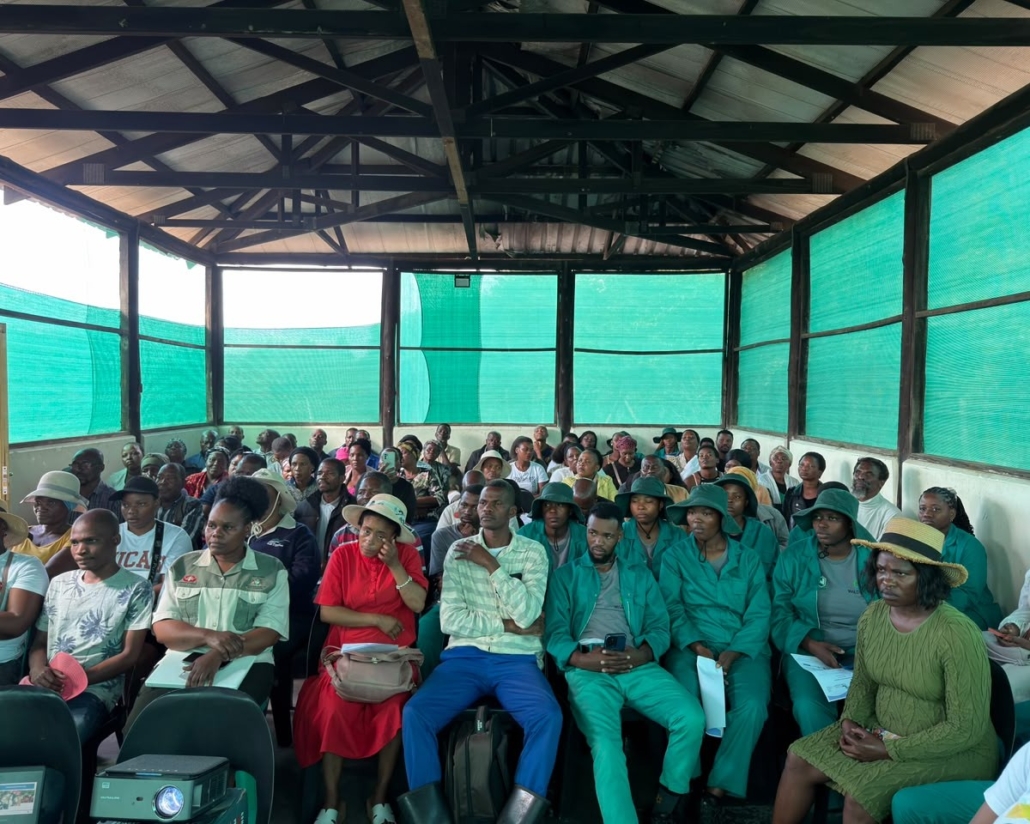
Community members listening attentively to presentations.
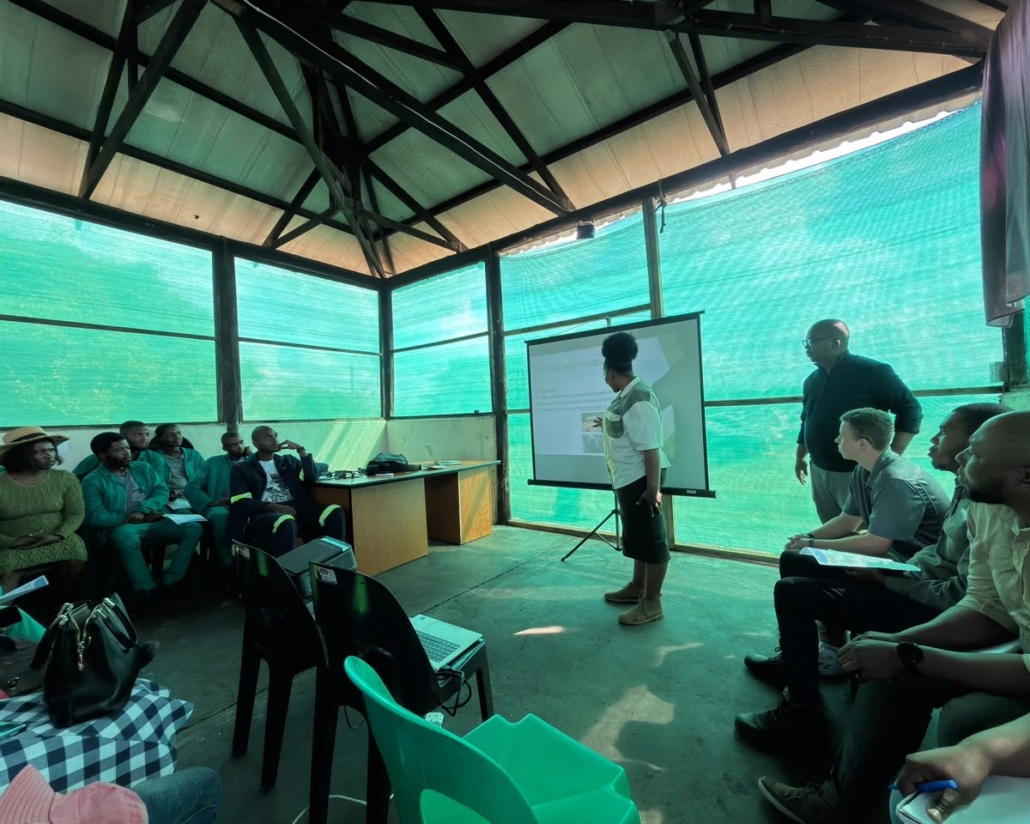
A representative from the DARD presenting on livestock health.
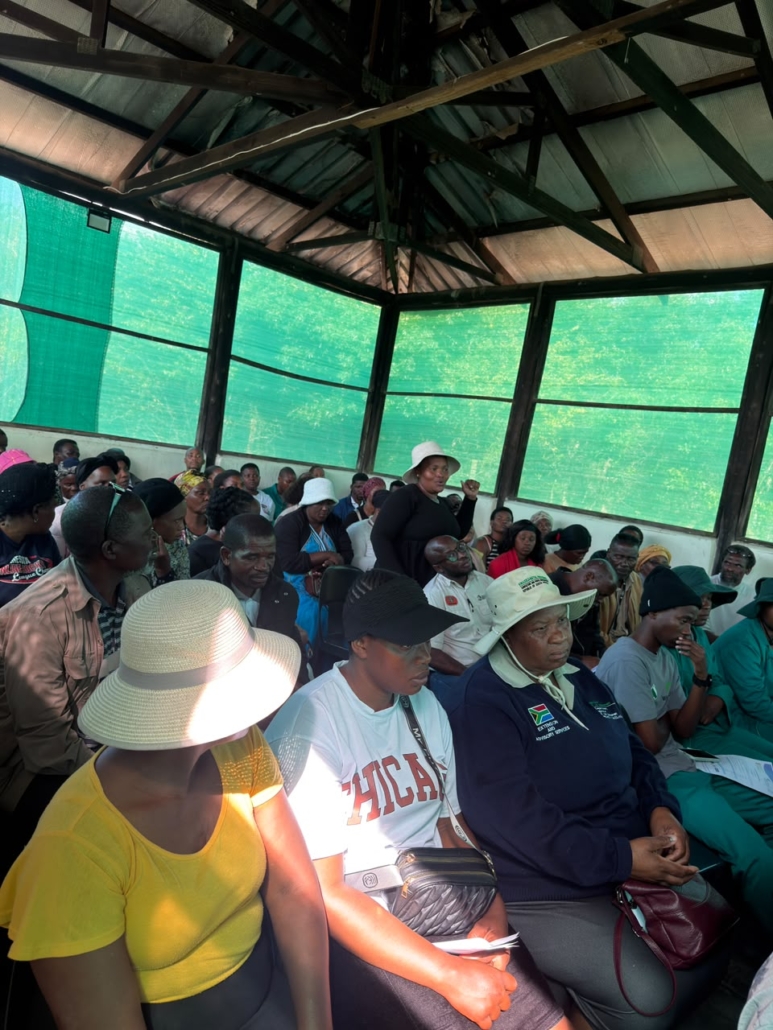
A community member asking a question during the interactive discussion, contributing local knowledge.
Inspiring Young Scientists Through Hands-on Learning
On 22 July, the SAEON Grasslands Node continued its National Science Month celebrations by engaging learners from Inkosi Mzila and Mseleni Primary Schools through interactive science demonstrations designed to make complex scientific concepts engaging, relevant, and easy to understand. Learners participated in a balloon experiment that demonstrated how an invisible gas, carbon dioxide (CO₂), can become visible through a simple chemical reaction. The activity introduced fundamental concepts in chemistry while encouraging learners to observe, question and explain scientific phenomena.
Another activity demonstrated how scientists use satellite imagery and animations to make invisible water vapour visible through colour mapping. Learners discovered how remote sensing technologies are used to monitor weather systems, environmental processes and climate patterns, providing a glimpse into modern scientific research methods. The team also facilitated a land use and land cover activity that explored the environmental changes affecting Lake Sibaya. Through interactive discussions, learners investigated how plantation forestry, excessive water abstraction, and climate change have contributed to declining water levels and changing ecosystems. By linking local environmental issues to scientific evidence, learners developed a deeper understanding of the relationship between human activities and ecosystem health.
These practical activities promoted curiosity, critical thinking, teamwork and problem-solving while demonstrating that science extends beyond the classroom and plays an important role in understanding and addressing environmental challenges. By connecting scientific concepts to issues affecting their own communities, learners were encouraged to see themselves as future environmental stewards and potential scientists capable of contributing to sustainable solutions.
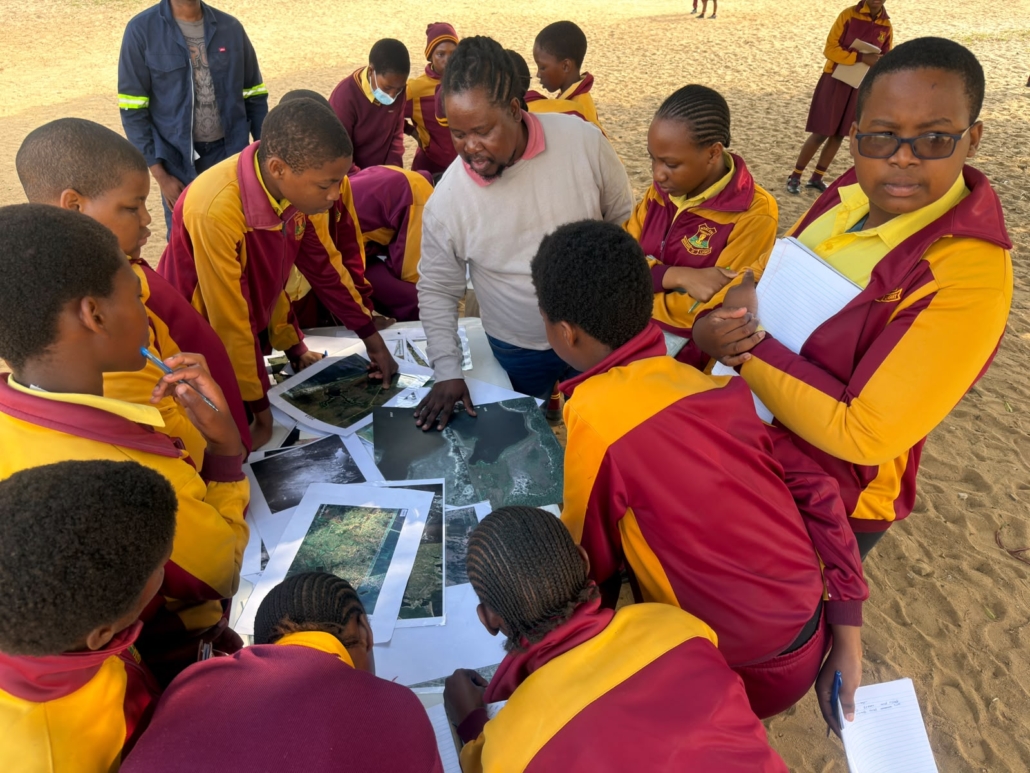
Learners participating in a Land Use and Land Cover activity, exploring how human activities influence the environment.
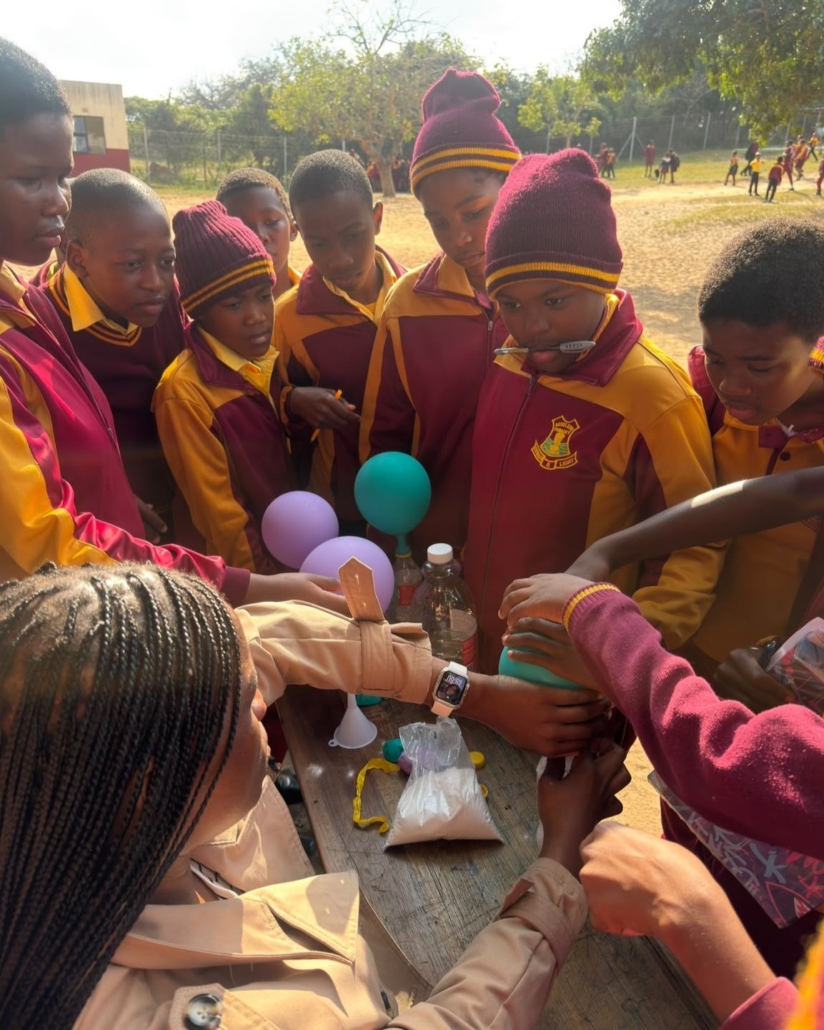
Learners participating in a balloon experiment demonstrating how an invisible gas, can become visible through a simple chemical reaction.
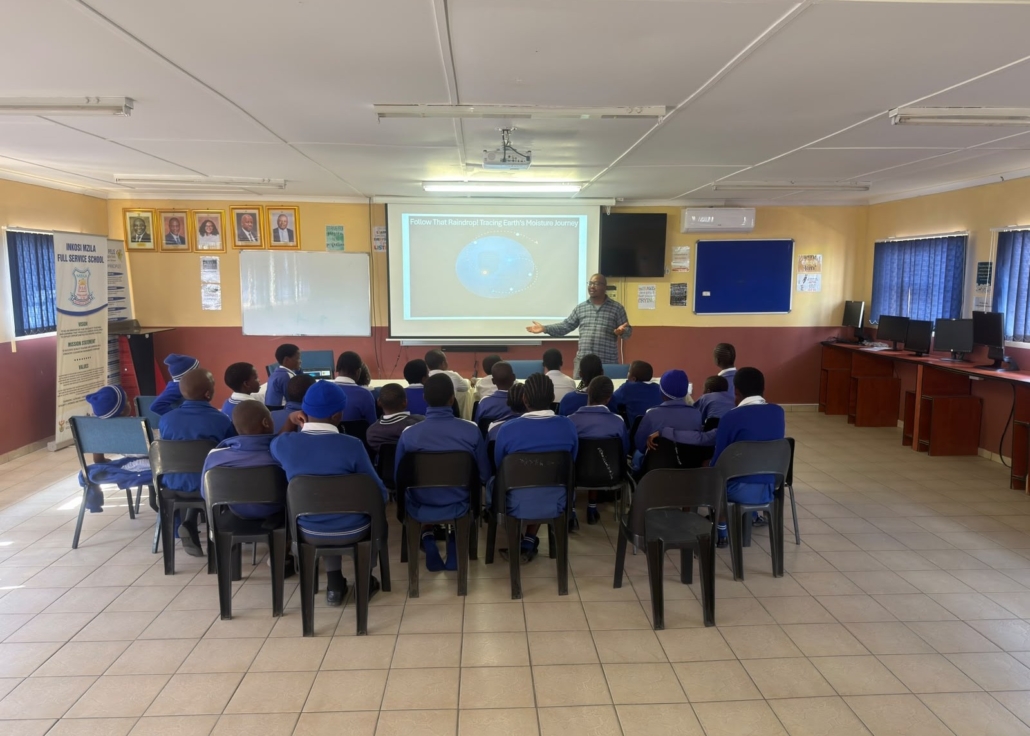
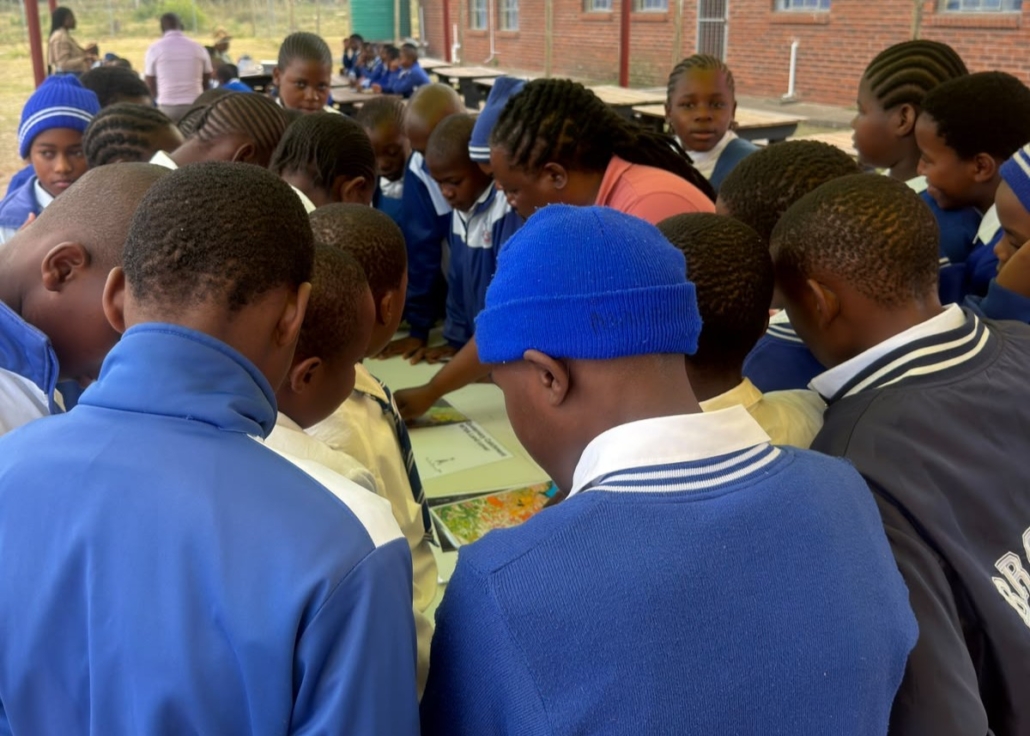
Left: Learners participating in a Land Use and Land Cover activity, exploring how human activities influence the environment and contribute to changes in MCP. Right: Mkholo Maseko demonstrating how scientists use satellite imagery and colour-mapped animations to visualise invisible water vapour and monitor weather patterns and environmental processes.
Promoting Inclusive Science Education
The National Science Month programme continued on the 23rd of July with a memorable visit to Sisizakele Special School in Jozini, reinforcing the message that science should be inclusive, accessible and enjoyable for everyone. The SAEON team facilitated learner-centred activities specifically adapted for learners with special educational needs, creating a welcoming environment where every learner could actively participate, explore scientific concepts and build confidence through discovery.
The enthusiasm, curiosity, and excitement displayed by the learners highlighted the importance of inclusive science engagement. Beyond teaching scientific concepts, the activities helped build confidence, encouraged active participation and demonstrated that every learner, regardless of ability, deserves the opportunity to experience the excitement of scientific discovery. The visit served as a meaningful reminder that creating equitable learning opportunities is essential for developing a diverse and inclusive future scientific community.
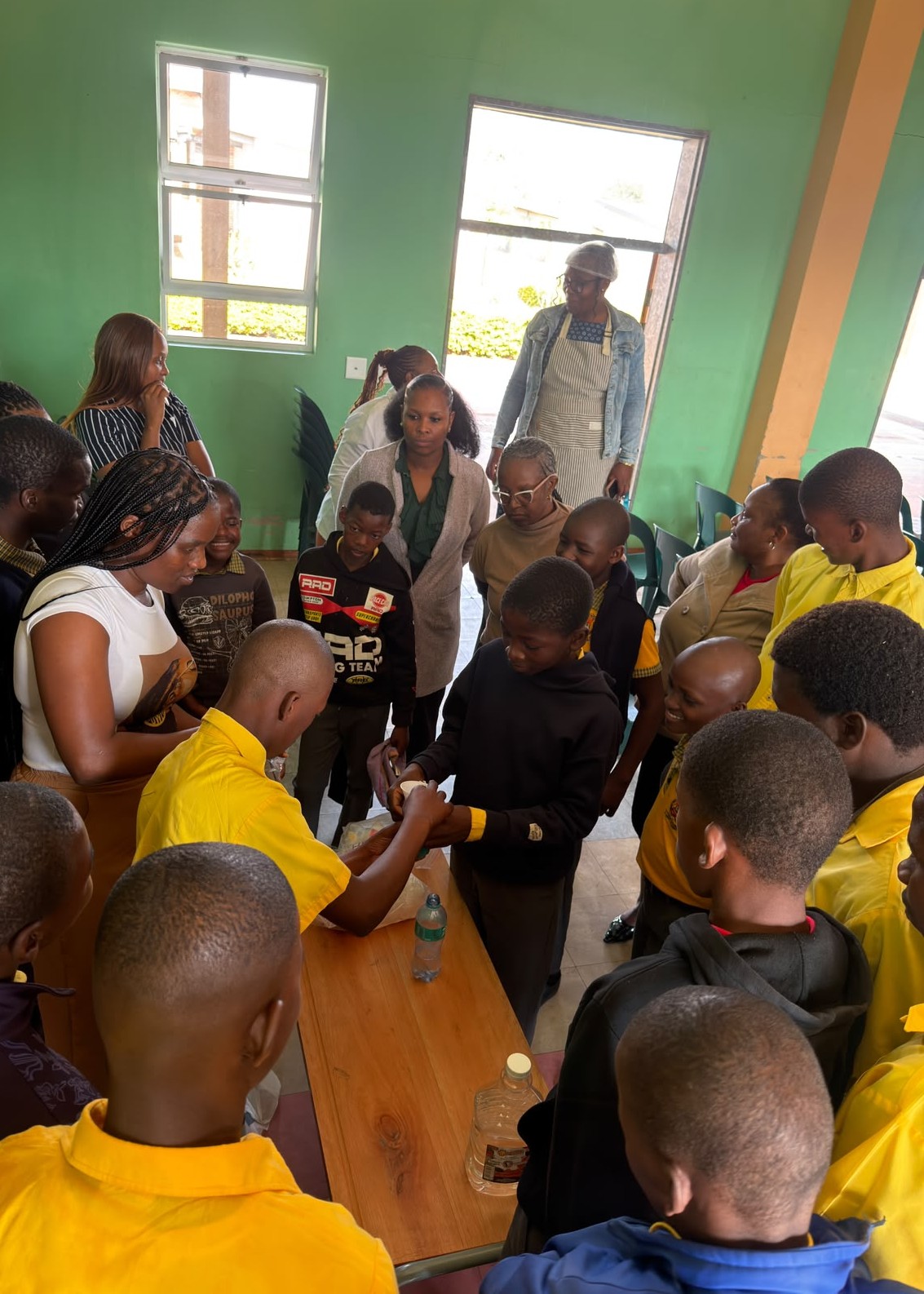
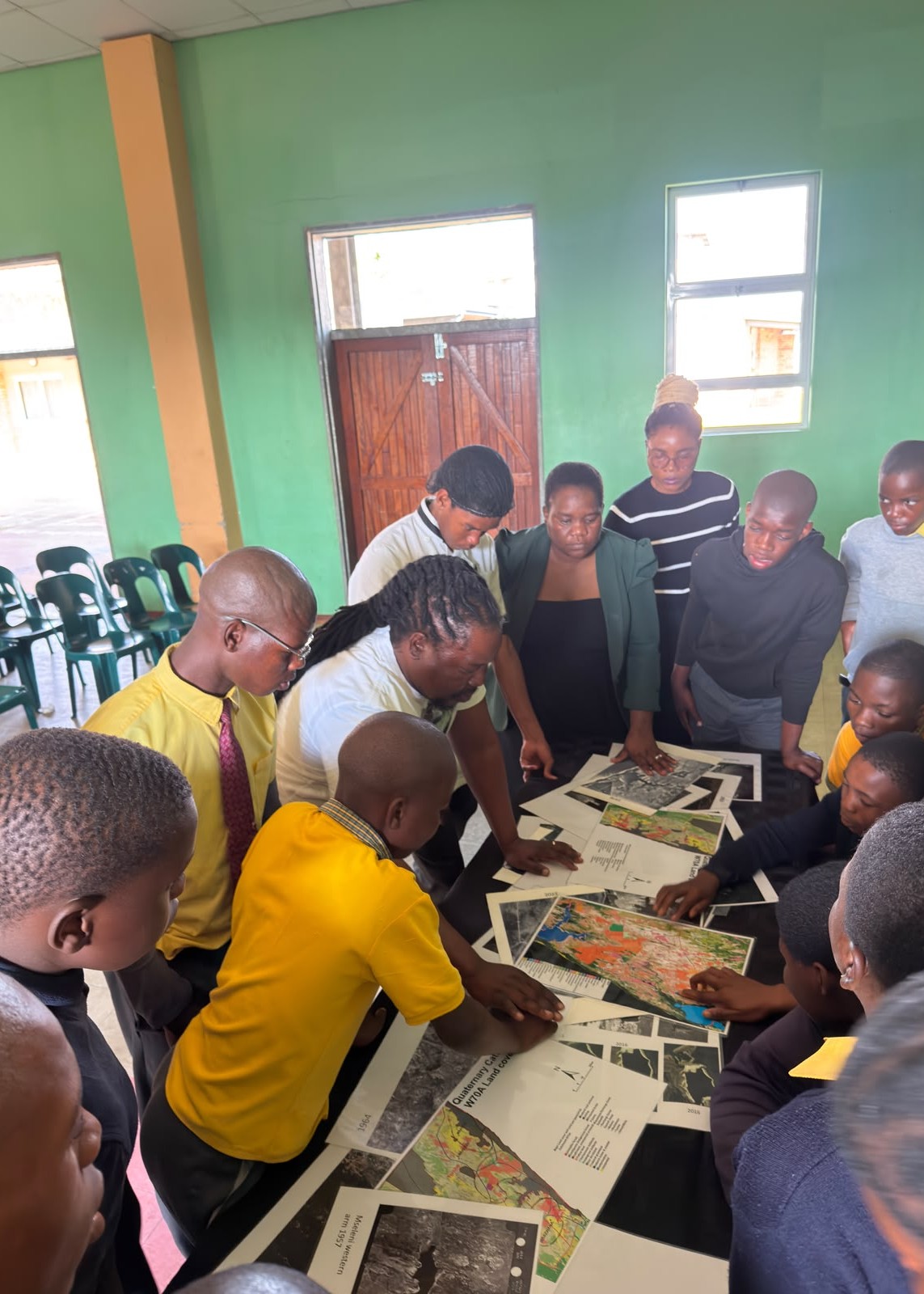
Learners from Sisizakele Special School actively participate in hands-on science activities designed to make scientific concepts engaging, accessible, and inclusive for all.
Showcasing Careers in Environmental Science
The week’s activities concluded on the 24th of July with SAEON and EFTEON participating in the Manguzi Career Day exhibition in uMkhanyakude. The exhibition provided learners with an opportunity to interact directly with scientists and environmental practitioners while exploring the wide range of career opportunities available within the environmental science sector.
Through engaging displays, scientific equipment, and discussions about SAEON’s environmental observation and research infrastructure, learners gained valuable insight into careers in environmental monitoring, ecology, conservation, climate science, geographic information systems (GIS) and scientific research. Many learners were introduced for the first time to career pathways that combine fieldwork, technology, data analysis and environmental management.
The exhibition helped bridge the gap between classroom learning and real-world scientific careers, encouraging learners to pursue STEM subjects and equipping them with information about future study and employment opportunities.
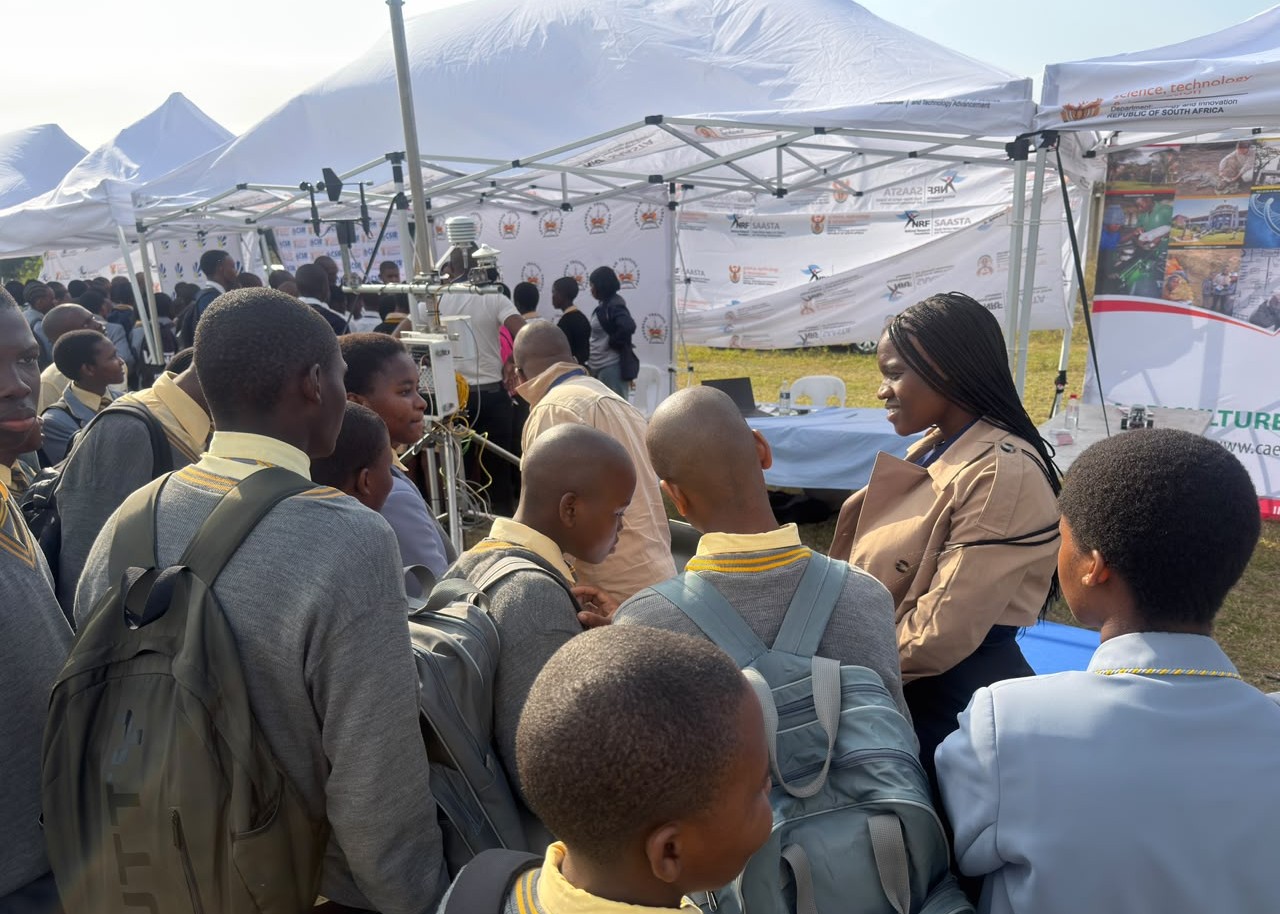
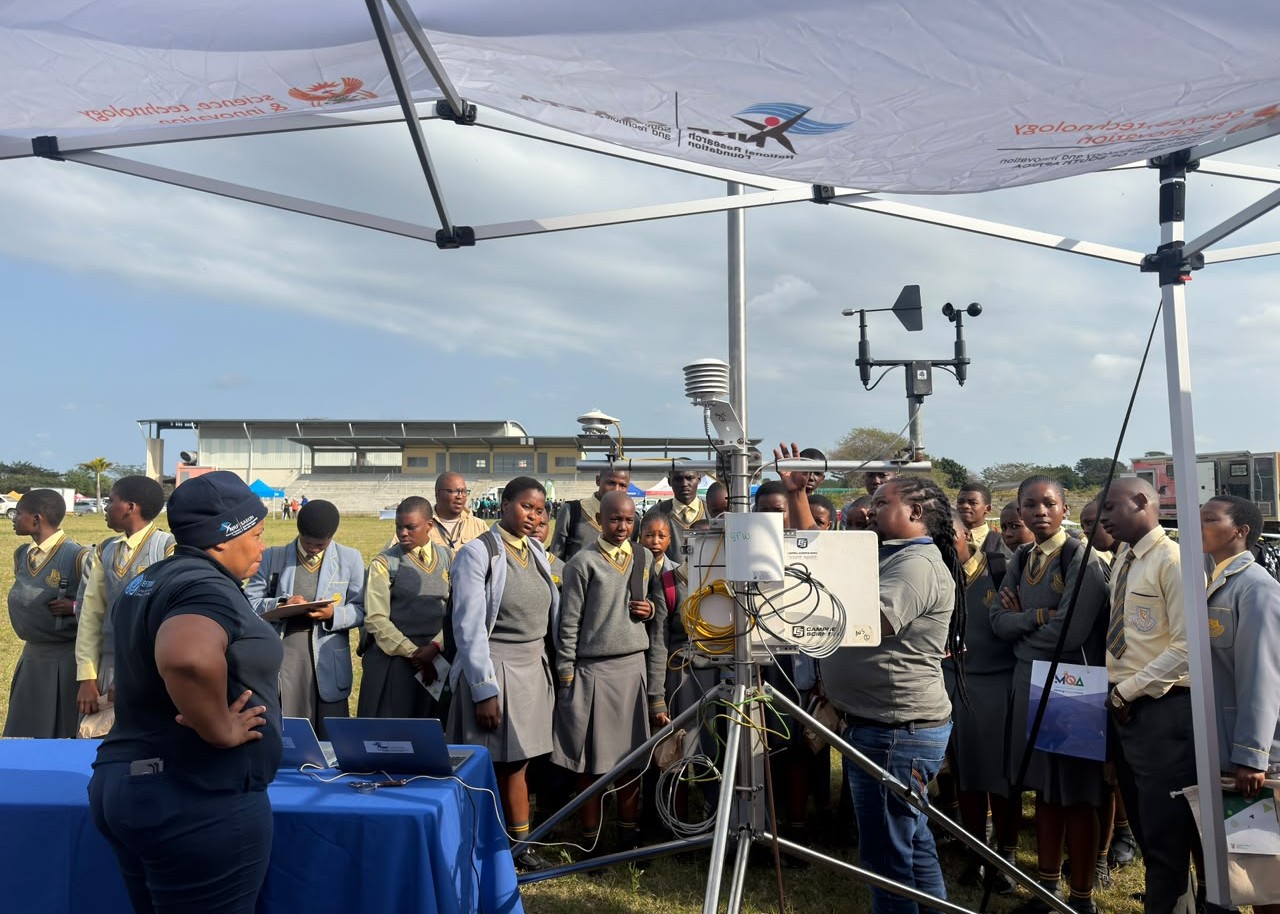
Left: Nozipho Mahlanze engaging with learners, introducing SAEON and highlighting career opportunities in environmental science and research. Right: Siphiwe Mfeka explaining the sensors used in SAEON’s weather stations and demonstrating how they collect environmental data to support weather and climate monitoring.
Building a Scientifically Informed and Climate-Resilient Society
Collectively, the National Science Month activities demonstrated the SAEON Grasslands Node’s commitment to making science relevant, accessible and impactful. By connecting scientific research with community priorities, the programme strengthened relationships between researchers, government departments, educators and local communities while promoting evidence-based decision-making.
The activities increased public awareness of environmental change, improved understanding of sustainable agriculture and climate resilience, and showcased the value of long-term environmental monitoring. At the same time, they inspired young people through hands-on learning, promoted inclusive science education, and increased awareness of careers in science and environmental research.
Through these engagements, SAEON not only shared scientific knowledge but also empowered communities to use science as a tool for solving local challenges, encouraged environmental stewardship, and contributed to building a more scientifically literate, climate-resilient, and environmentally responsible society.
