eNews
#03 2026
Introducing the EFTEON Greater Garden Route Landscape: Advancing Long-Term Social–Ecological Observation in South Africa
By Vusumzi Martins, EFTEON Landscape Scientist

#03 2026
By Vusumzi Martins, EFTEON Landscape Scientist
South Africa’s landscapes are changing at an unprecedented rate. Climate change, biodiversity loss, land-use transformation, biological invasions, freshwater degradation and increasing socio-economic pressures are reshaping ecosystems and the benefits they provide to society. Understanding these complex and interconnected changes requires more than isolated research projects, it demands coordinated, long-term observation capable of revealing ecological processes and societal dynamics across decades.
The Expanded Freshwater and Terrestrial Environmental Observation Network (EFTEON) was established to meet this need by developing an integrated national research infrastructure that supports long-term environmental observation across South Africa’s diverse landscapes. As one of the country’s core environmental research infrastructures, EFTEON generates the long-term ecological and social-ecological data needed to understand environmental change, strengthen ecosystem resilience and support evidence-based decision-making.
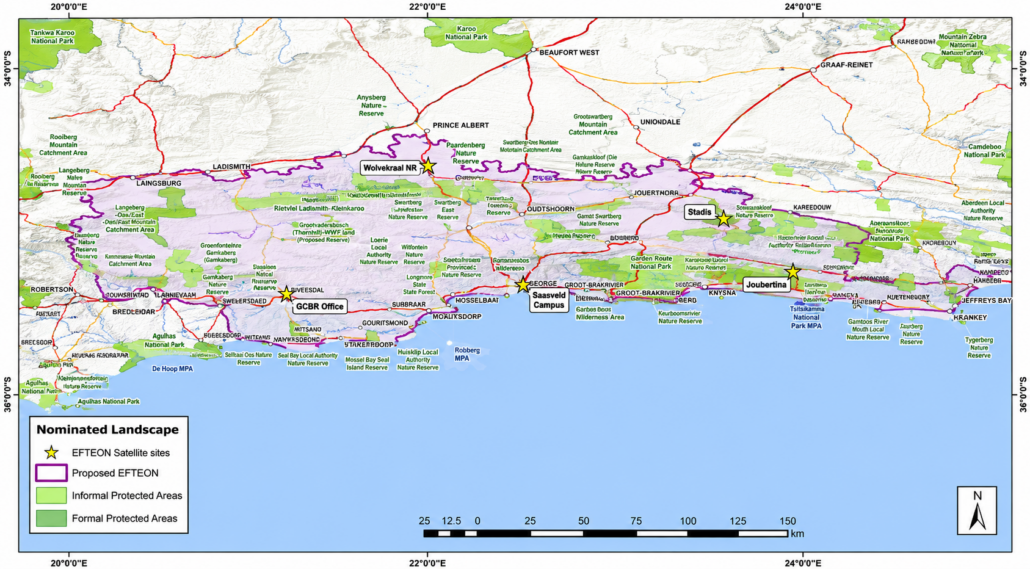
Figure 1. EFTEON Greater Garden Route Landscape showing the landscape boundary, core site, satellite sites, and protected areas.
The Greater Garden Route Landscape represents one of EFTEON’s newest and most dynamic observation landscapes. Stretching from the Outeniqua Mountains through indigenous forests, fynbos shrublands, rivers, estuaries, agricultural systems and coastal ecosystems, the landscape encompasses one of the most biologically diverse and socially complex regions in southern Africa. Few places in the country contain such remarkable environmental gradients over relatively short distances, making the Garden Route an ideal natural laboratory for investigating interactions between people and nature.
Beyond the landscape’s ecological significance, the Garden Route supports vibrant communities whose livelihoods, wellbeing and economic development are closely linked to healthy ecosystems. Agriculture, forestry, fisheries, tourism and conservation all depend upon ecosystem services such as water provision, pollination, soil stability, carbon storage and biodiversity. At the same time, the region faces growing challenges associated with climate change, changing fire regimes, urban expansion, invasive alien species, water security and increasing pressure on natural resources. These interacting drivers highlight the need for integrated long-term monitoring that recognises ecosystems and society as inseparable components of a single social–ecological system.
The Greater Garden Route Landscape therefore adopts a holistic approach to environmental observation by integrating ecological, climatic, hydrological and social data to better understand how landscapes function, respond to change and recover from disturbance. Long-term observation allows researchers to distinguish short-term variability from long-term environmental trends, providing the scientific evidence required to support adaptive management and informed policy development.
The landscape also builds upon decades of scientific research conducted by universities, research institutions and conservation agencies throughout the region. EFTEON provides an opportunity to connect these valuable historical datasets with new long-term observations, creating an enduring platform that supports interdisciplinary research, innovation and collaboration across institutions.
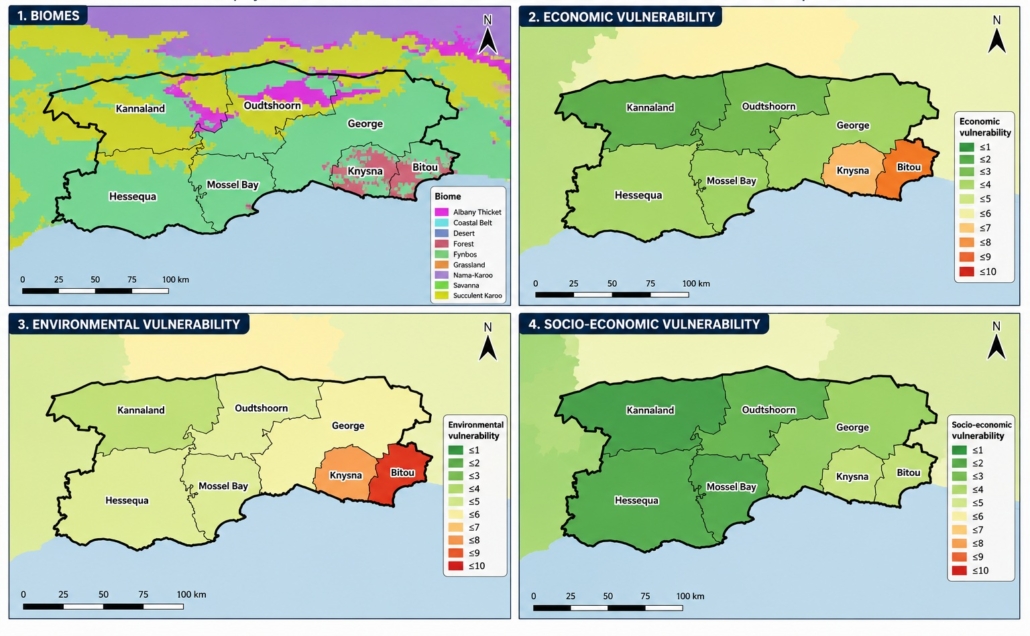
Figure 2: Spatial variation in biomes and environmental, economic and socioeconomic vulnerability across municipalities within the Garden Route study area (Images from: SANParks, 2011a and Le Roux et al., 2019)
Central to the success of the Greater Garden Route Landscape is collaboration. Effective long-term environmental observation depends upon partnerships between researchers, government departments, conservation agencies, municipalities, local communities, non-governmental organisations and the private sector. By strengthening these partnerships, EFTEON aims to co-produce knowledge that addresses both scientific questions and the practical challenges faced by decision-makers responsible for managing South Africa’s natural resources.
As the newly appointed Landscape Scientist for the Greater Garden Route Landscape, my role is to coordinate research activities across the landscape, facilitate collaboration among stakeholders and strengthen the integration of social and ecological research within EFTEON. Current activities include engaging with key stakeholders across the region, developing long-term partnerships with research and conservation institutions, and establishing the Social–Ecological Systems Thematic Technical Committee. Also, supporting the development of coordinated monitoring initiatives that contribute to EFTEON’s national objectives. These efforts aim to build an inclusive research network capable of addressing complex environmental challenges through interdisciplinary science.
The Greater Garden Route Landscape also contributes to broader national and international efforts to understand global environmental change. Long-term observation supports South Africa’s commitments towards biodiversity conservation, climate change adaptation and sustainable development while contributing to international environmental observation networks that seek to better understand the future of our planet.
As EFTEON continues to grow, the Greater Garden Route Landscape will serve as a platform where science, innovation and collaboration come together to improve our understanding of environmental change and strengthen the resilience of both ecosystems and the communities that depend upon them. By investing in long-term observation today, we create the knowledge needed to make better environmental decisions tomorrow.
We look forward to working with researchers, practitioners, government departments, conservation agencies, local communities and other stakeholders who share a commitment to understanding and safeguarding the remarkable social–ecological systems of the Greater Garden Route.
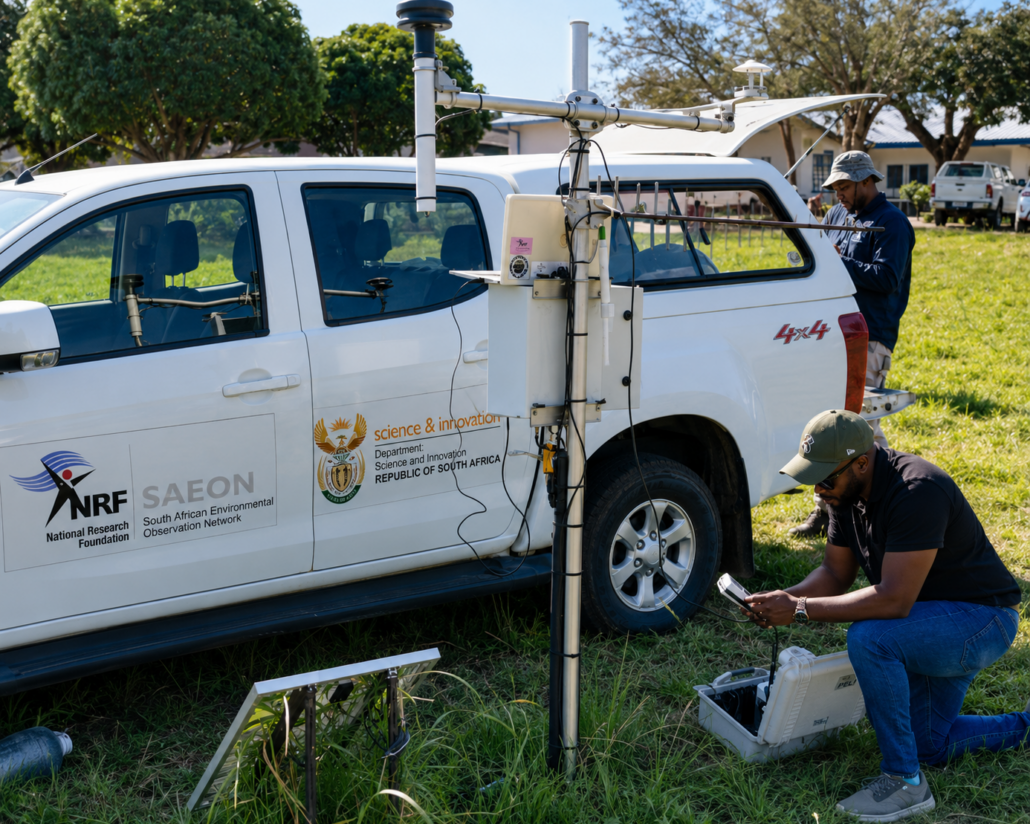
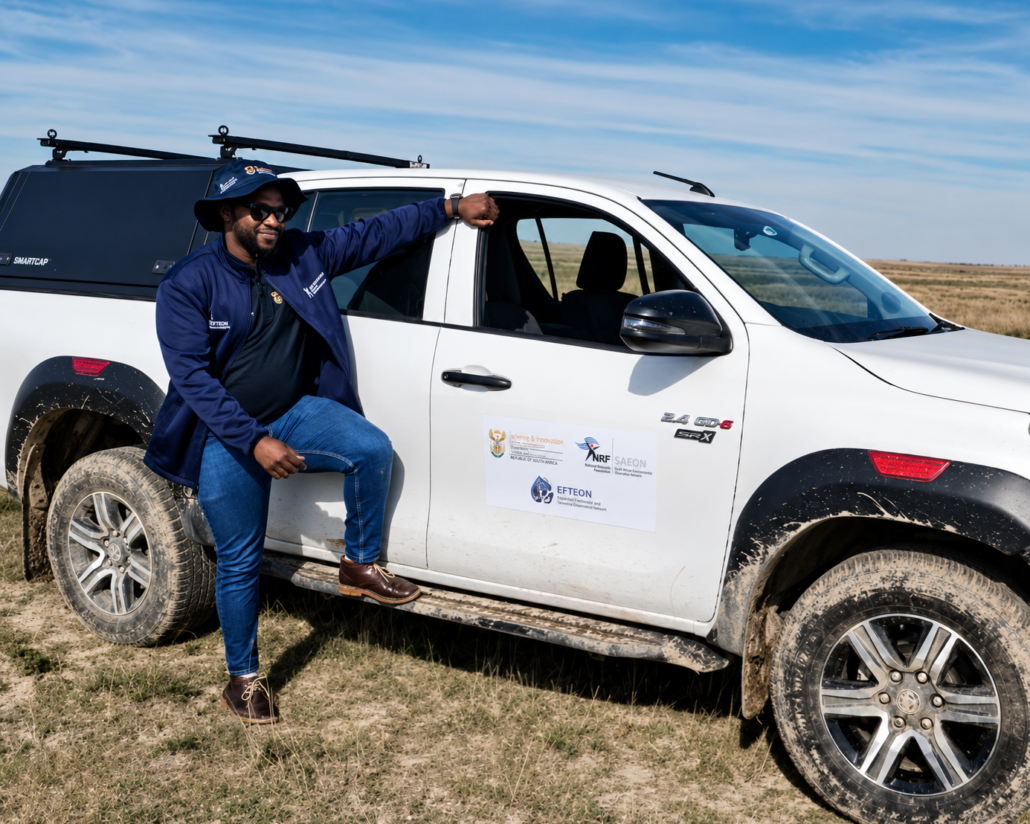
Dr. Vusumzi Martins, EFTEON Garden Route Landscape Scientist, visiting KimTri and Lowveld landscapes.
