Strengthening SAEON’s International Presence
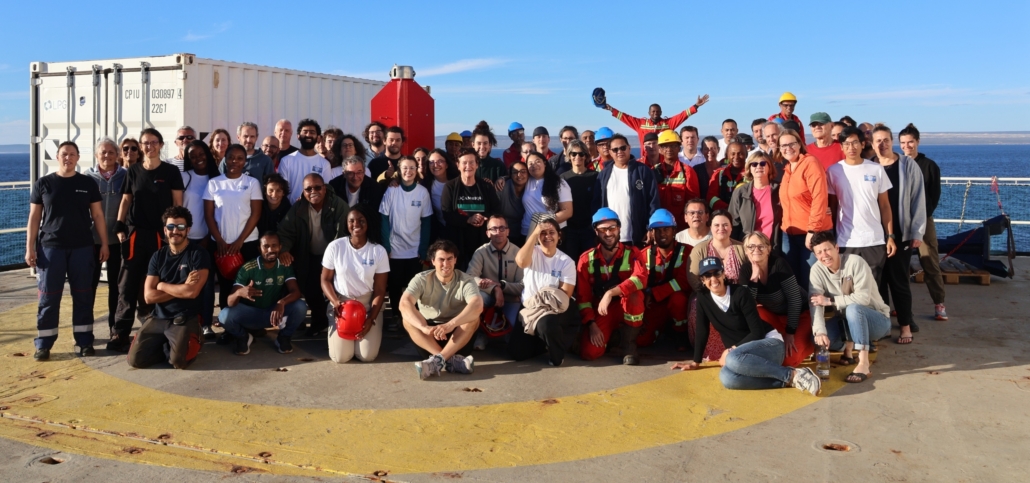
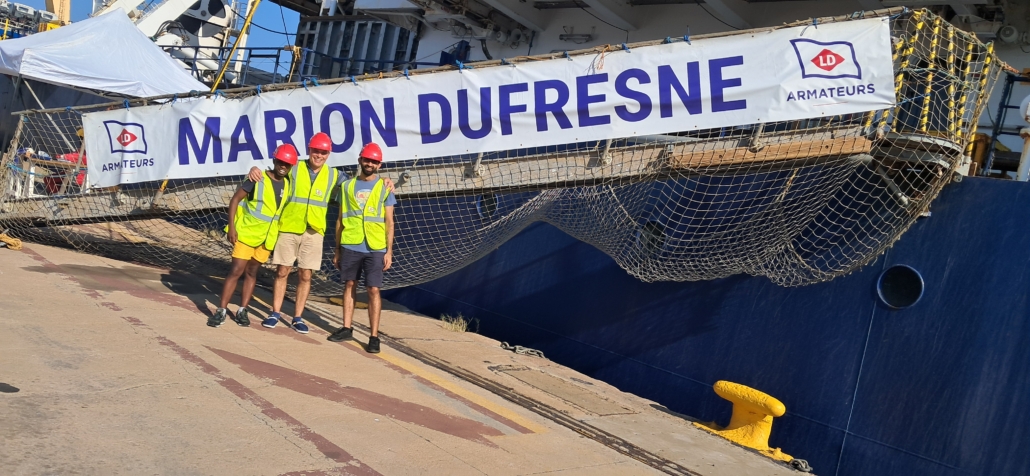
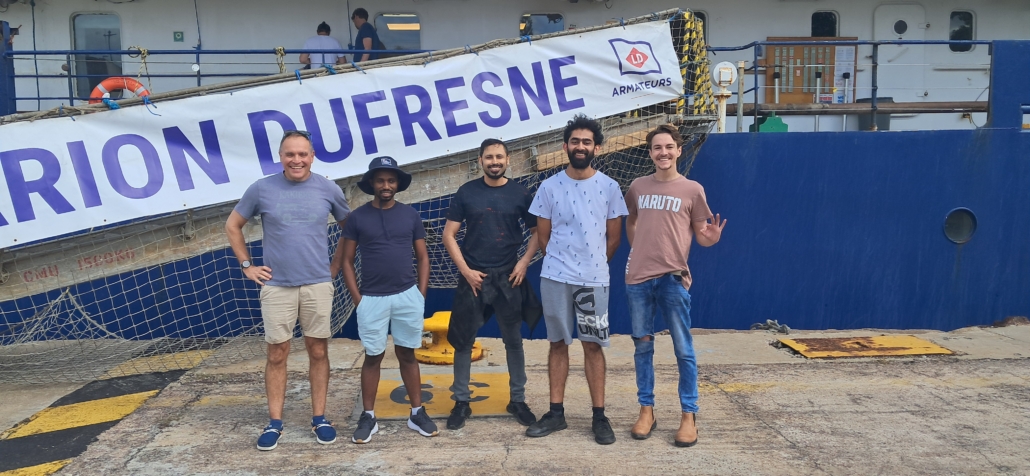
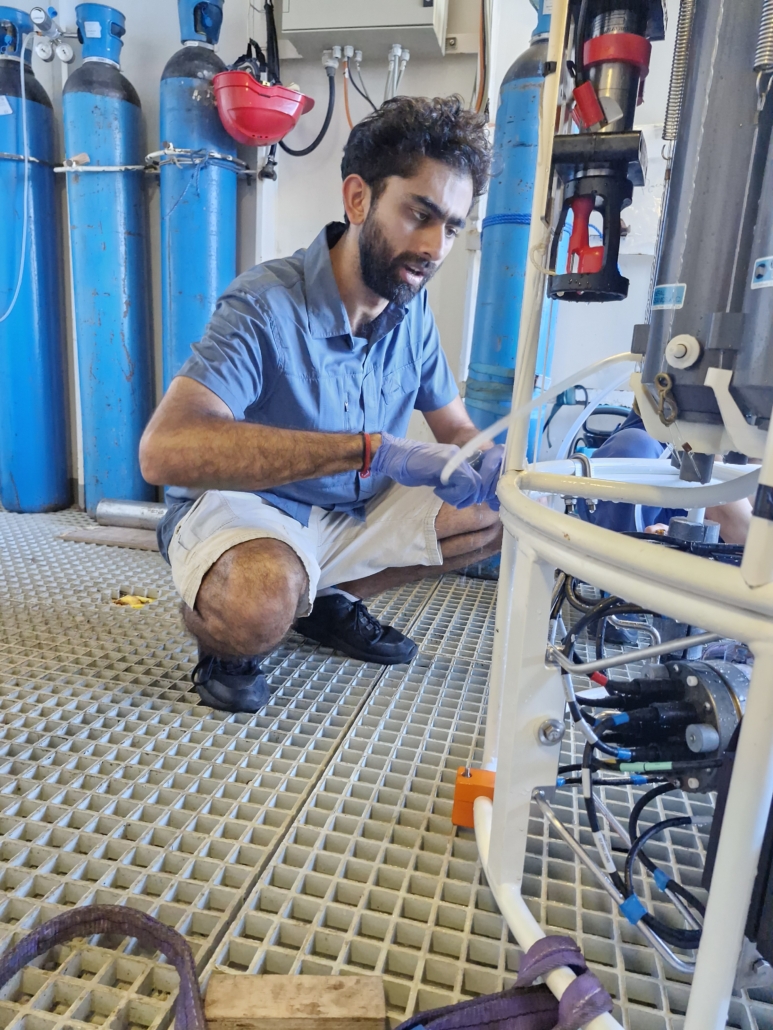
Although the expedition included participants from around the world, only five scientists represented South Africa, with three of these researchers coming from SAEON. These included Prof Tommy Bornman, Dr Athi Mfikili and Brishan Kalyan. Tommy only joined the first leg of the expedition (CHARM 1) whereas Athi and Brishan participated for the entire expedition. Despite small representation, the participation in CHARM enabled SAEON researchers to contribute directly to the collection of high-quality scientific datasets while gaining valuable experience in shipboard operations, marine sampling techniques, and multidisciplinary research approaches. The expedition also provided opportunities to engage with leading international scientists and strengthen collaborative networks that will support future research initiatives.
Collaboration Across Disciplines
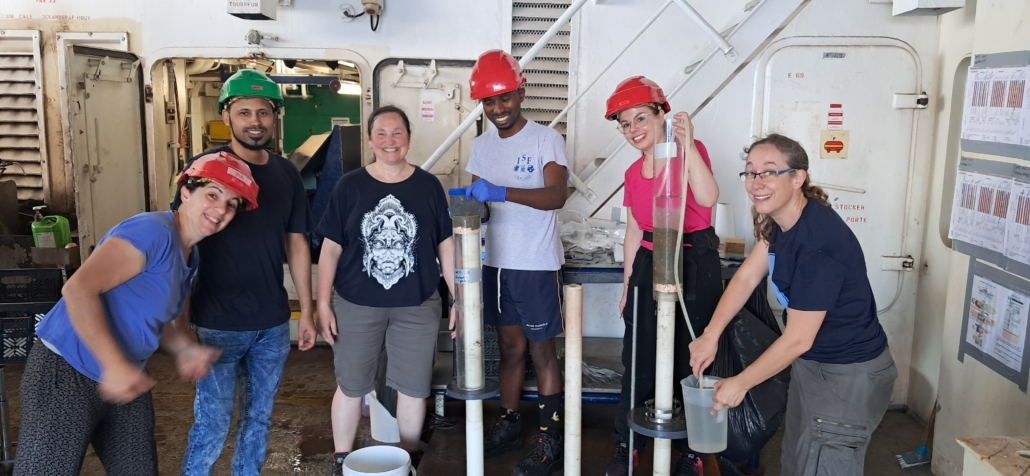
One of the defining features of the CHARM expedition was its multidisciplinary nature. Researchers from fields including marine geology, sedimentology, micropalaeontology, physical oceanography, marine ecology, geochemistry, molecular ecology, environmental DNA (eDNA), and biogeochemistry worked together throughout the voyage. Beyond the scientific programme, CHARM placed a strong emphasis on science communication and public engagement. The expedition included an educational initiative connecting researchers with primary schools in Mozambique and France, allowing learners to engage directly with scientists and gain insight into marine research and climate science (some information from the Culture Biome team). In addition, the expedition formed part of a French radio programme documenting the scientific research and international collaboration taking place on board, helping to communicate the importance of marine science to a broader public audience (radio interview).
Regular scientific presentations and discussions facilitated knowledge exchange and encouraged collaboration among participants. The voyage also fostered closer engagement between SAEON and researchers from North-West University, creating opportunities for future collaborative projects, student training initiatives, and joint scientific publications.
Building Capacity Through Hands-On Science
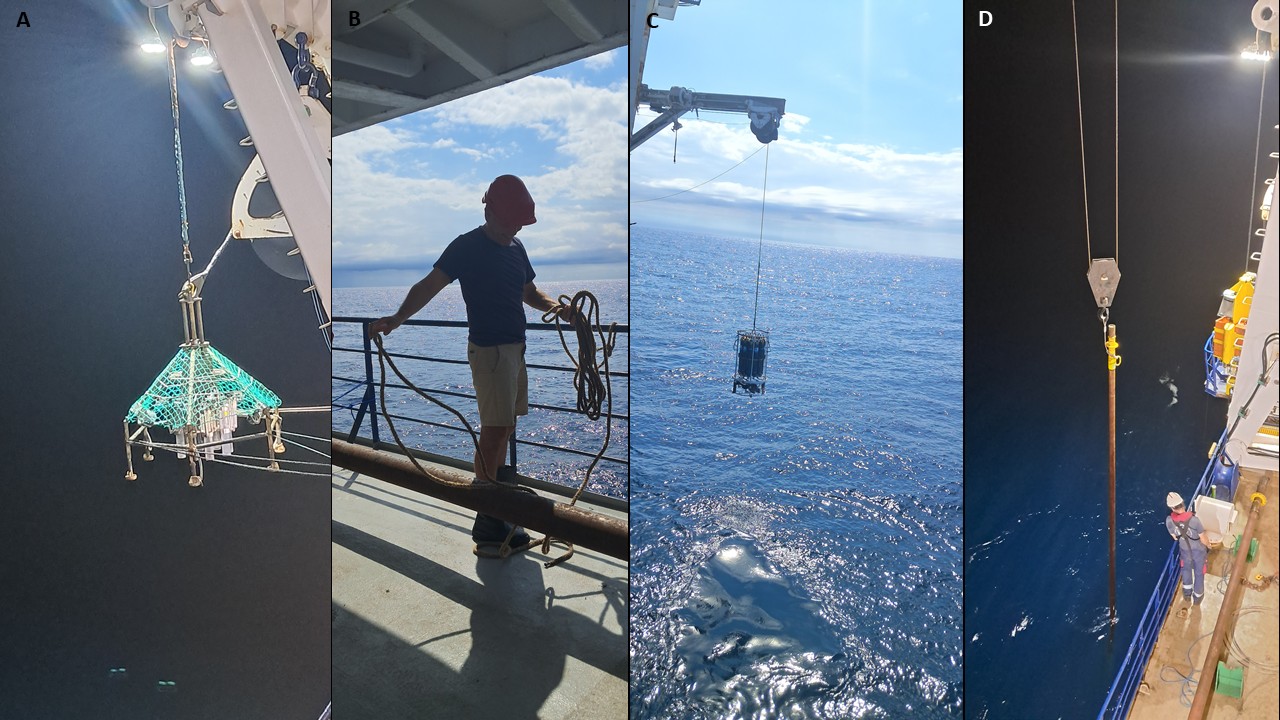
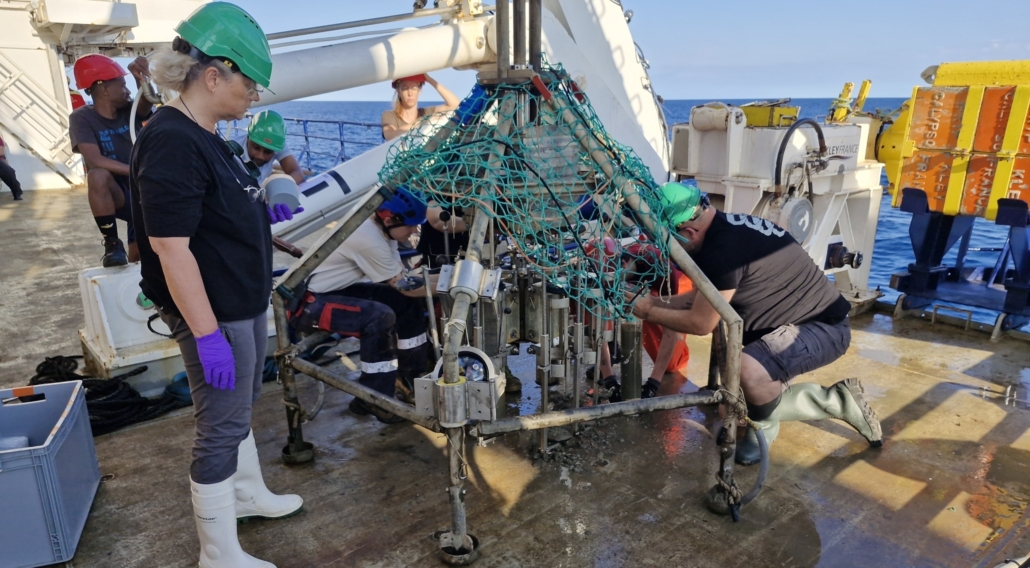
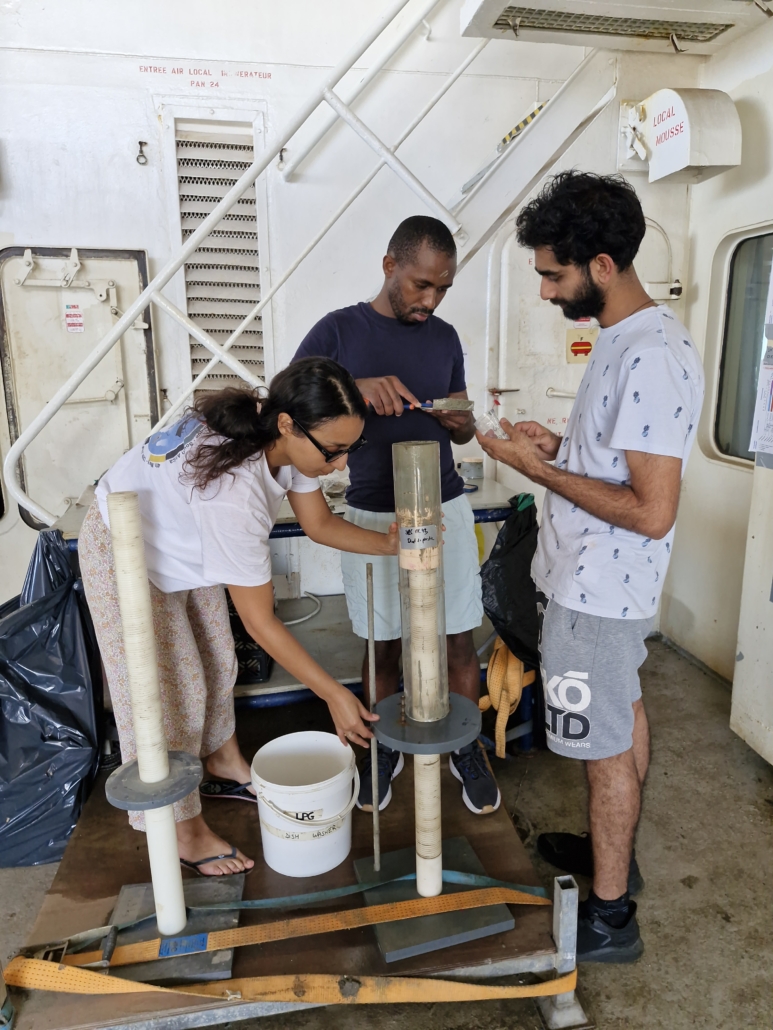
Beyond data collection, the expedition served as an important platform for scientific capacity development. Researchers participated in a range of sampling activities, including multicore and long-core deployments, CTD water-column sampling, microplastic collection, and sediment processing. Working within multidisciplinary teams of this research voyage allowed us to develop specialised technical skills while contributing to large-scale international research efforts. Participation in the research voyage strengthened SAEON’s involvement in the internationally coordinated marine research which directly supports the organization’s strategic objectives of advancing ocean observation, environmental research, and scientific capacity development in South Africa.