eNews
#04 2026
Bringing marine biodiversity to life: Our experience at the Deep-sea Biodiversity and Applied Taxonomy Workshop
By Shandre Dreyer and JJ Forgus, NRF–South African Environmental Observation Network (SAEON)
#04 2026
By Shandre Dreyer and JJ Forgus, NRF–South African Environmental Observation Network (SAEON)
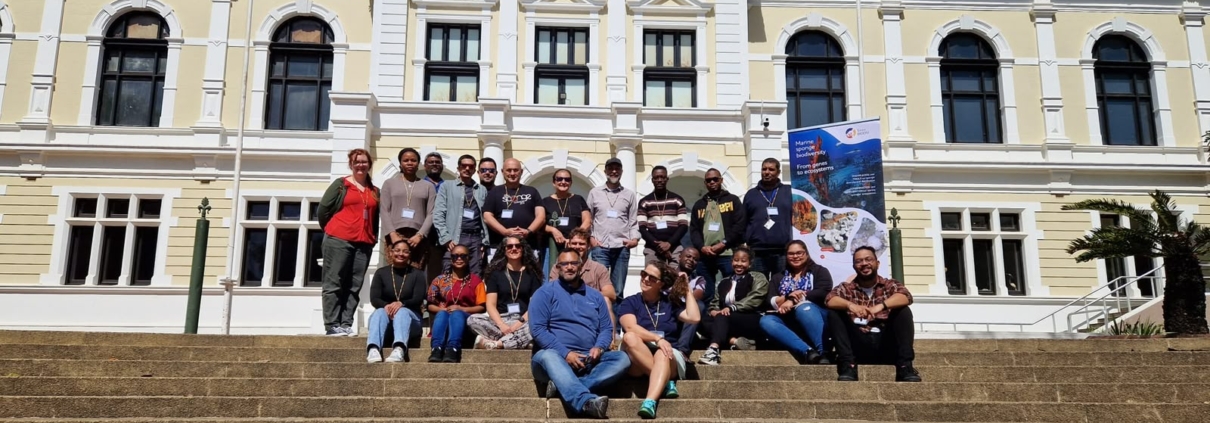
Figure 1 – Facilitators and participants of the Deep-sea Biodiversity and Applied Taxonomy Workshop sitting on the steps of the Iziko South African Museum where the workshop was hosted. Led by Toufiek Samaai (DFFE – Oceans and Coasts) and Joana Xavier (CIIMAR – Interdisciplinary Centre of Marine and Environmental Research)
At 8 am on 5 October, after a few panicked minutes of trying to find parking on a typical busy Monday morning in Cape Town and a brief walk across the city gardens, Juan-Jacques Forgus and Shandre Dreyer (members of SAEON’s Egagasini Benthic Biodiversity team) were met at the reception of the Iziko South African Museum. They were then guided to a prepped room where a combination of strangers and familiar faces were all preparing to kick off a busy week of lectures, practical sessions, demonstrations, assignments and more.
Learning Through Collaboration
Selected from more than 200 applicants, we were among the fortunate few invited to participate in the SponBIODIV project’s Deep-sea Biodiversity and Applied Taxonomy Workshop, hosted at the Iziko South African Museum in Cape Town.
The workshop had three main aims: to introduce participants to key approaches and skills used in marine biodiversity research and monitoring; to highlight the importance of taxonomy and its contribution to marine conservation and ecosystem management; and to equip participants with practical, transferable skills and workflows that they could apply at their own institutions.
The workshop brought together marine biodiversity researchers, taxonomists, curators, technicians and students from all around the globe to share knowledge and strengthen practical skills in marine biodiversity assessment.
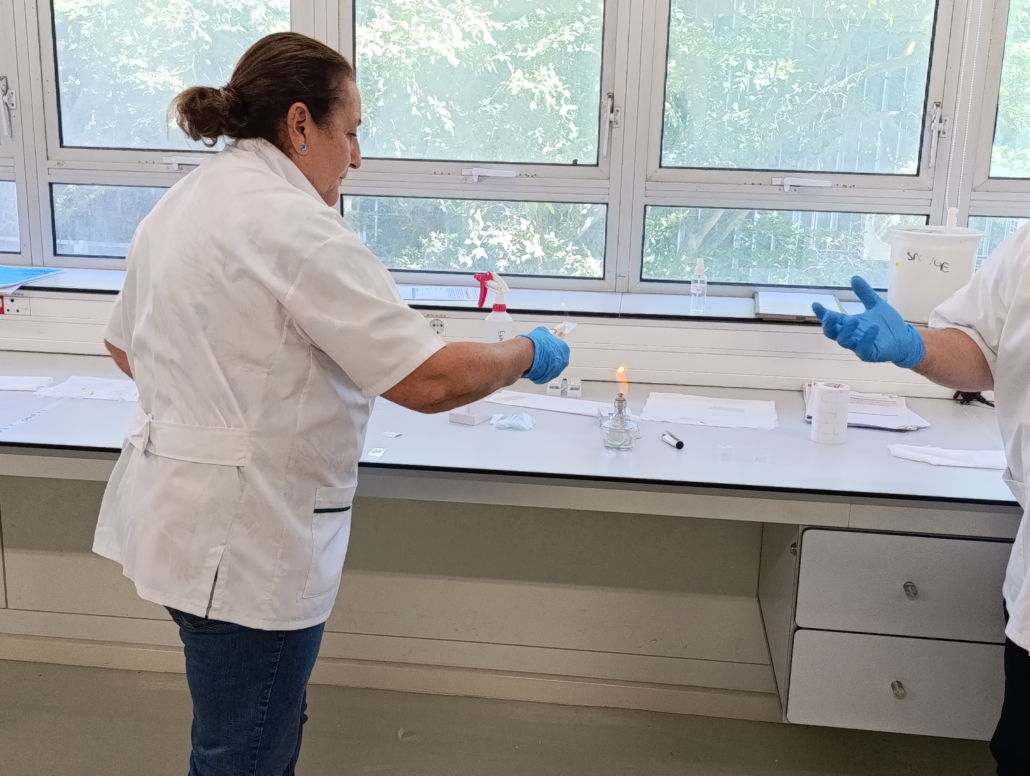
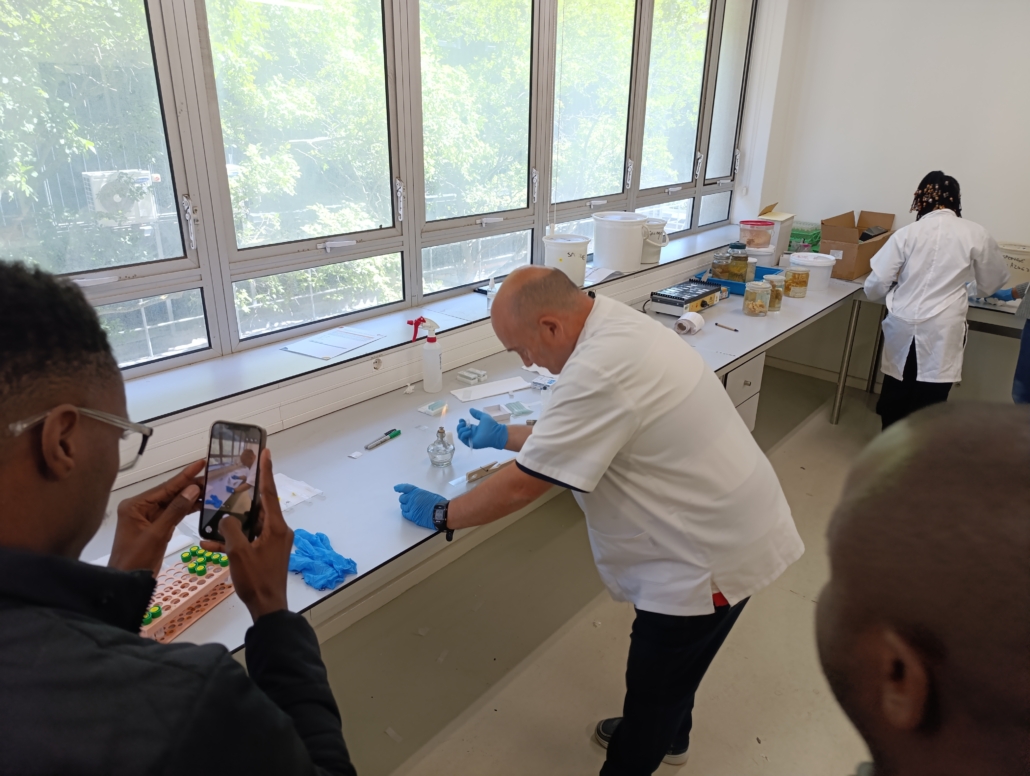
Figure 2 – Pilar Ríos (Left) and Javier Cristobo (Right) (CSIC/IEO, Instituto Español de Oceanografía) showing workshop participants how to prepare sponge spicule slides for microscope examination
The Department of Forestry, Fisheries and the Environment (DFFE), through its Oceans and Coasts branch, played an important role in organising and hosting the workshop locally. Led by Dr. Toufiek Samaai, with support from Liesl Janson and in collaboration with Iziko and the international SponBIODIV team, the workshop created an opportunity for researchers to learn from one another and explore different approaches to marine biodiversity research.
For us, the workshop was particularly relevant to our respective roles within SAEON’s Marine Biodiversity team. JJ, the team’s instrument technician, supports marine biodiversity monitoring through at-sea surveys, sampling and data management, while Shandre’s work focuses on the taxonomic annotation and classification of organisms in seafloor imagery. From best practices in field sampling to data standardisation and image-annotation tools, we gained valuable insights relevant to our work.
From identification to biodiversity data
The programme combined lectures and practical sessions covering specimen handling, preservation, morphological identification, image-based identification and the use of scientific literature and natural history collections. Working with biological samples and material from the Iziko Museum collections, they sorted specimens, explored identification methods and compiled standardised biodiversity datasets containing metadata, images and identification notes.
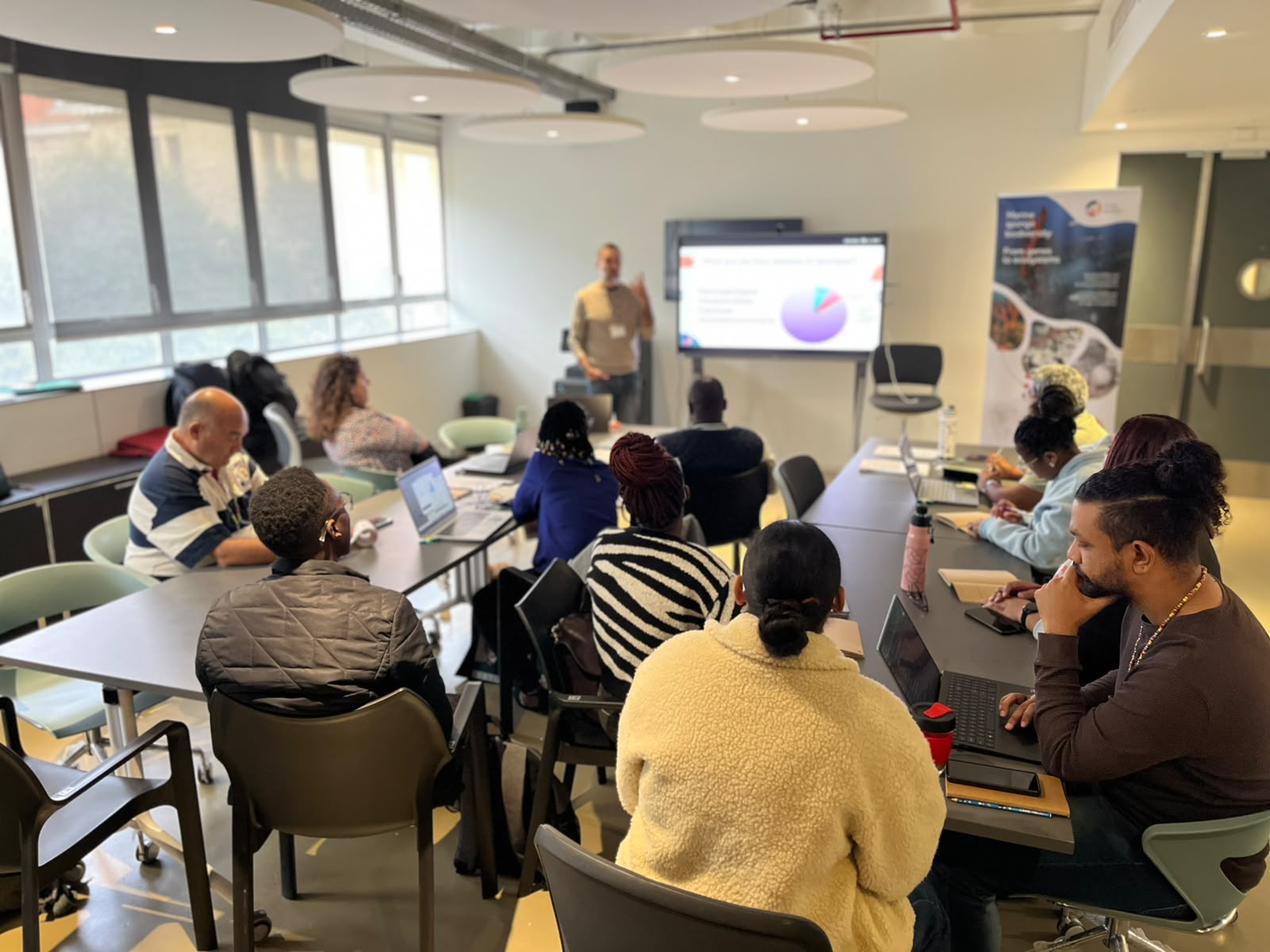
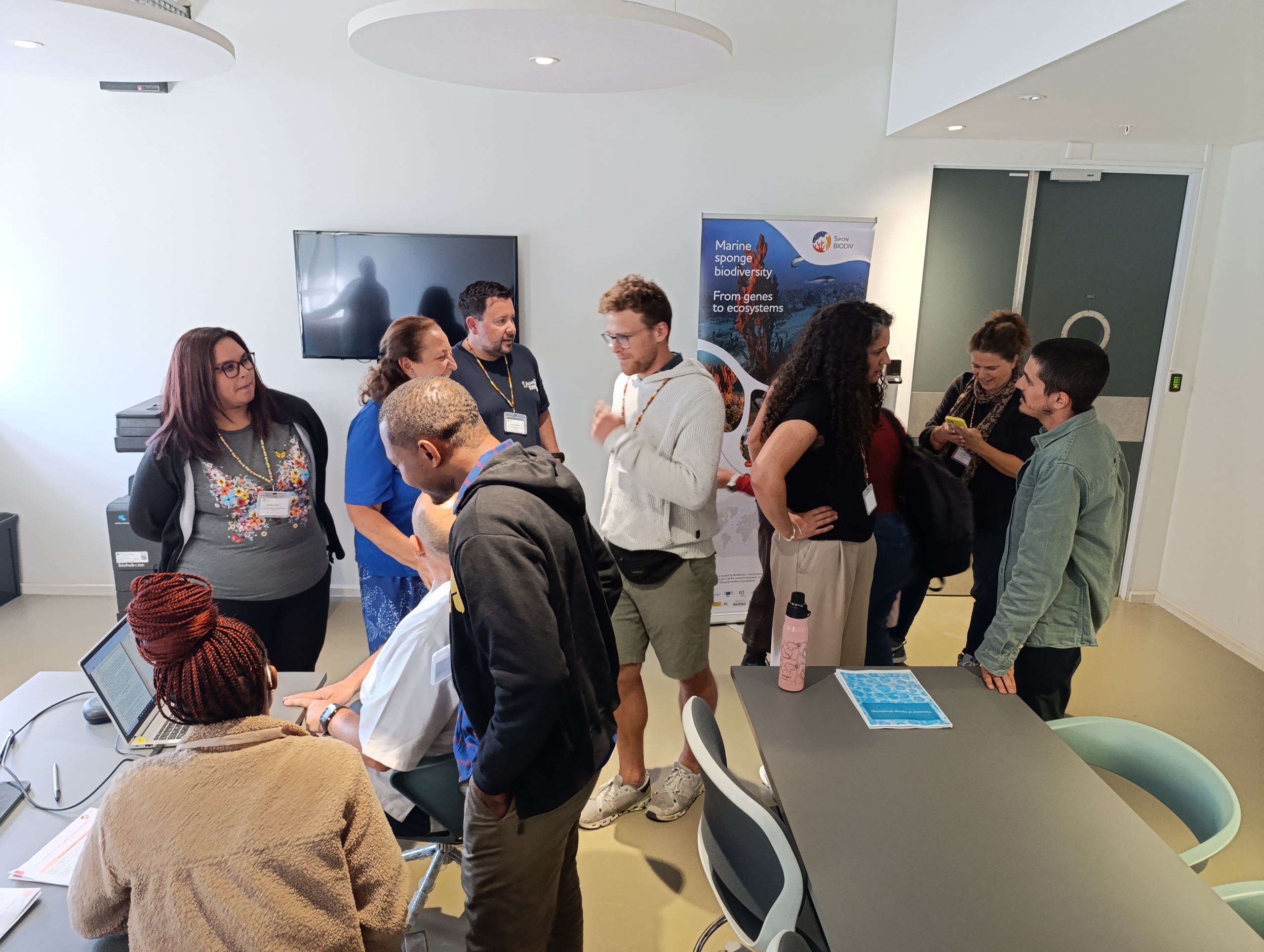
Figure 3 – Paco Cárdenas (Uppsala University) presenting on integrative taxonomy and the status of Porifera taxonomy globally
Beyond the technical sessions, engaging with researchers from different institutions and countries was a valuable part of the experience. Group activities and participant presentations encouraged knowledge exchange, discussion and collaboration around marine biodiversity assessment and monitoring. DFFE’s role in organising and hosting the workshop locally helped bring these researchers together in South Africa. The workshop demonstrated the value of collaboration between environmental departments, research institutions and museums in strengthening the knowledge and skills needed to study and monitor our marine ecosystems.
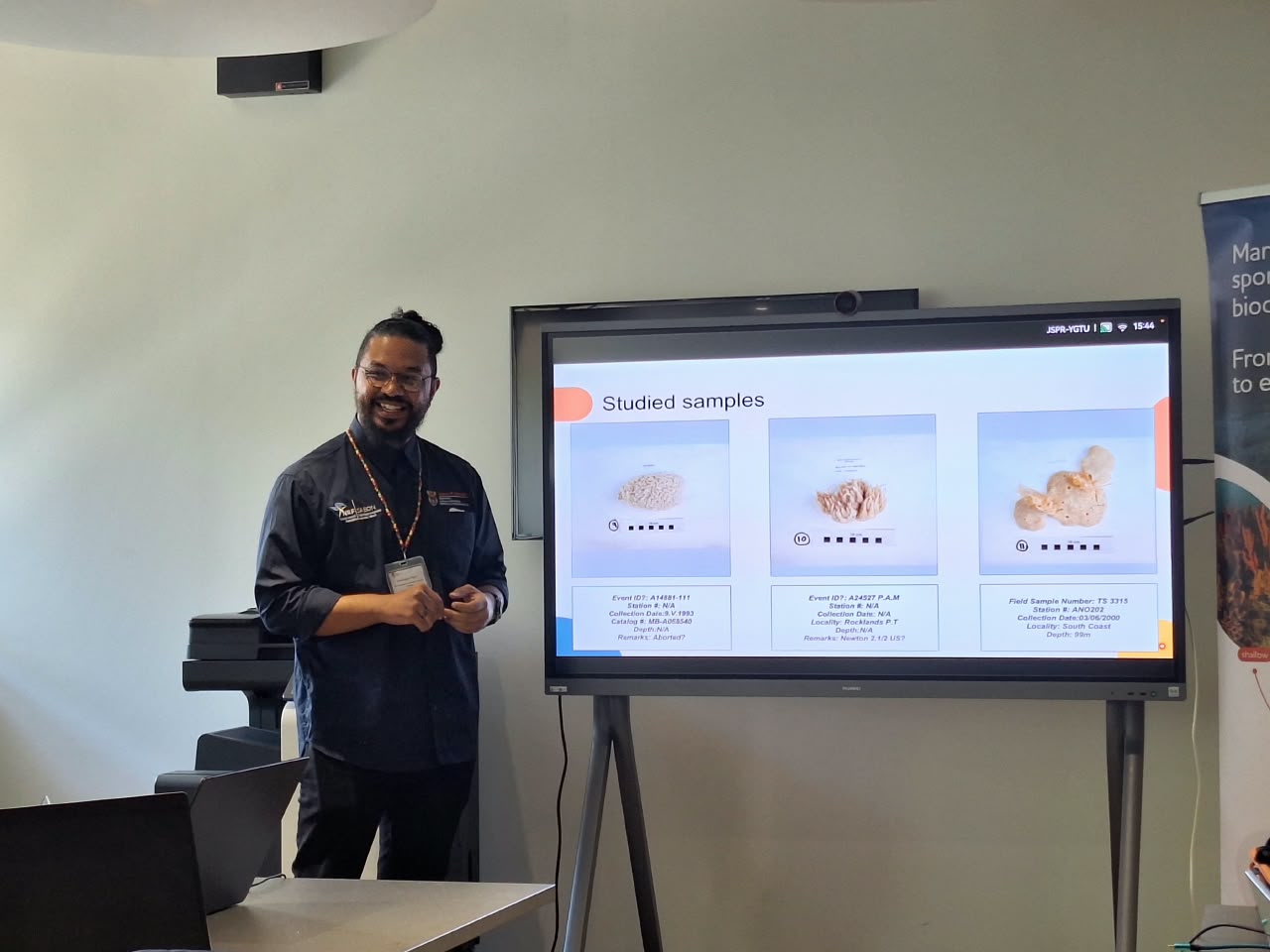
Figure 4 – JJ Forgus presents his group’s assignment
We are grateful to have been part of an opportunity to learn from fellow researchers, share experiences and explore approaches. The workshop reinforced the value of collaboration and continuous learning in improving our understanding of the oceans and the biodiversity they support.
Acknowledgements: The workshop was organised within the SponBIODIV project, funded by Biodiversa+ under the 2021–2022 BiodivProtect joint call, with support from the FAO/Norway EAF-Nansen Programme. We acknowledge DFFE’s Oceans and Coasts branch for organising and hosting the workshop locally, Iziko South African Museum for hosting the activities and providing access to its collections, and the organisers, tutors and fellow participants for sharing their knowledge and experience.
