eNews
#04 2026
Bringing the Ocean Inland: Connecting Ocean Knowledge to Inland Communities
By Melissa Philander, NRF-SAEON
#04 2026
By Melissa Philander, NRF-SAEON
“How can ocean and climate science help inland communities make informed decisions about their livelihoods and environment?”
This question was central to a stakeholder workshop held in Hazyview, Mpumalanga, on 18 September 2026, as part of the NRF-SAEON Graduate Student Network (GSN) event.
Hosted by NRF-SAEON and led by Dr Tammy Morris of the Egagasini Node, the workshop marked the first stakeholder consultation and co-design session for the Bringing the Ocean Inland initiative, which builds on the Ocean Actions agenda advanced through Ocean20 South Africa in 2025. In her opening presentation, Dr Morris highlighted the importance of the ocean and looked at how changing climate and weather patterns affect ocean systems and coastal nations, with increasingly significant implications for inland regions too. Bringing together researchers, including early-career scientists, and representatives from conservation, tourism, ocean and terrestrial ecosystem sectors, the workshop explored how scientific knowledge can be translated into practical, locally relevant information.
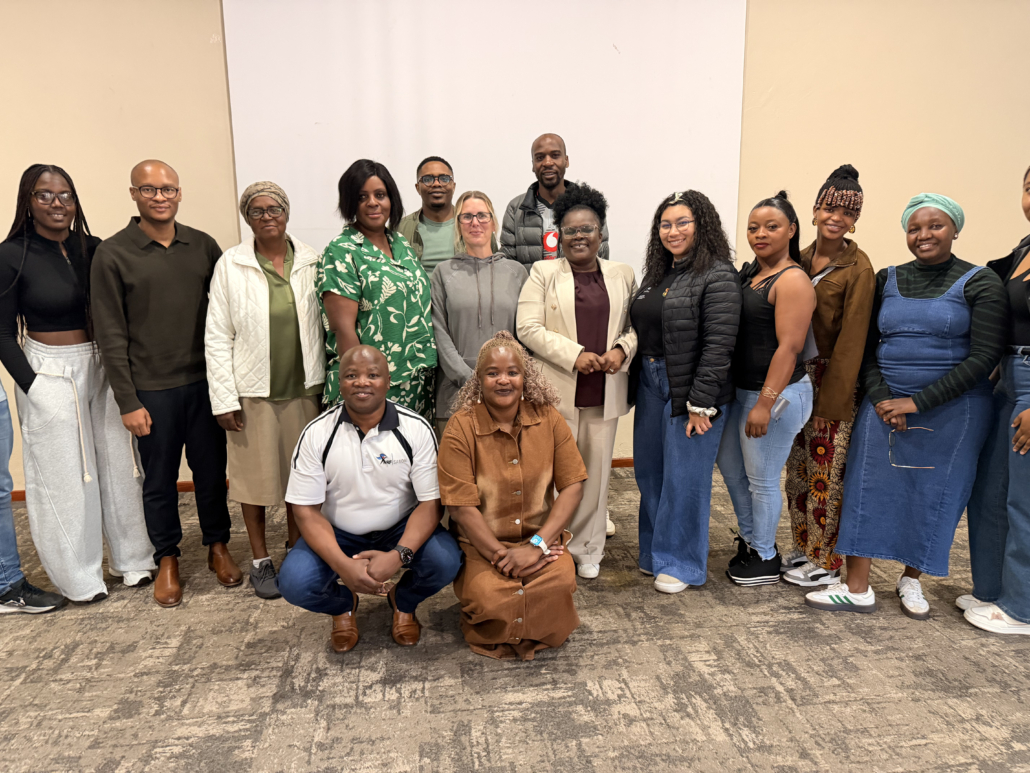
Attendees at the Bringing the Ocean Inland Workshop, Hazyview
While droughts, floods and changing weather patterns were recognised as immediate challenges, the discussions pointed to a deeper issue: the gap between the information available and what communities can access, trust and understand. Participants noted that farmers may be hesitant to rely on weather predictions that do not reflect the conditions they experience locally. Even when information is available, technical language and limited access to relevant resources can make it difficult to understand forecasts and apply them to everyday decisions. The need for accessible, locally relevant information that communities can trust was therefore a key message from the workshop.
Participants also discussed the importance of understanding how individual decisions affect the wider environment. Farming practices may benefit a particular farm, for example, but their broader consequences are not always fully understood. Agricultural run-off can carry soil, fertilisers and other pollutants into nearby rivers and water systems, eventually reaching the ocean. Raising awareness of these connections can help communities better understand how inland activities influence river health and coastal marine ecosystems.
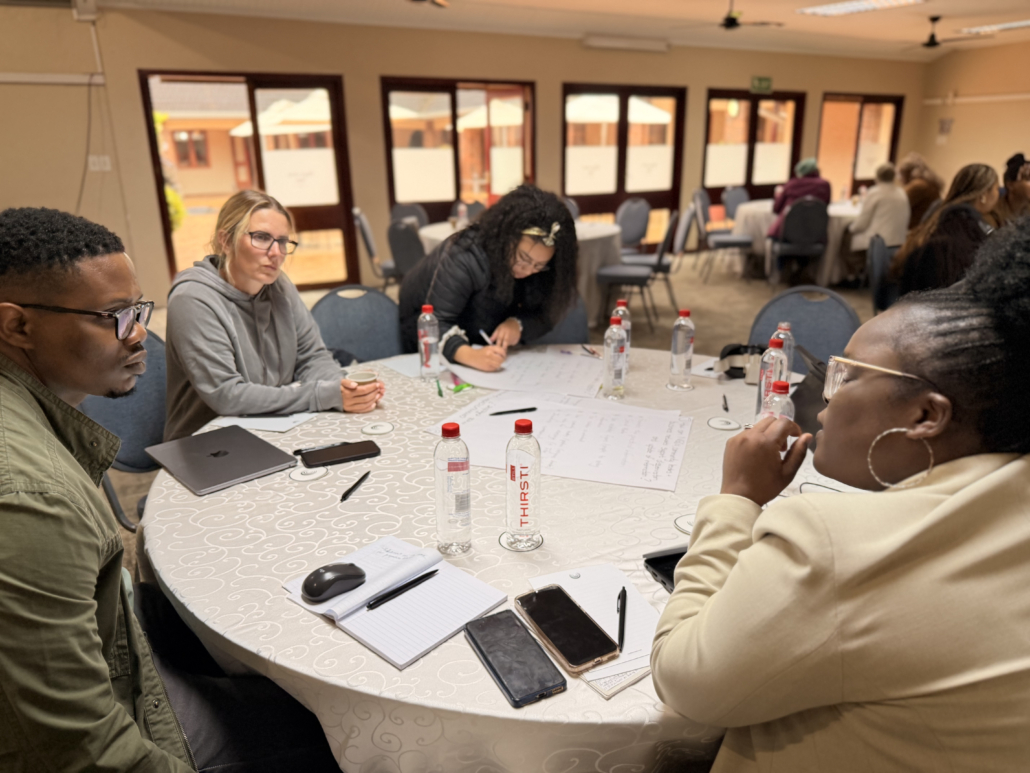
Attendees participating in discussions at the Bringing the Oceans Inland workshop

Dr Tammy Morris delivering her presentation on the importance of the ocean
The discussions emphasised that addressing these gaps requires more than simply sharing scientific data. Information needs to be communicated in local languages, using relatable examples and accessible formats that explain what changing weather and climate conditions mean for people’s livelihoods. Storytelling, social media, short videos and engagement through trusted community leaders were among the approaches raised, alongside stronger integration of ocean-to-inland connections into school curricula.
The hope is that these insights will not remain just discussions, but will be carried forward through continued collaboration with communities and stakeholders to co-create and co-design practical resources and platforms that respond to their needs. These may include visual information materials, multilingual content, school resources and locally relevant tools that make ocean and climate science more accessible, understandable and useful in everyday decision-making.
Ultimately, Bringing the Ocean Inland aims to strengthen the connection between science and everyday decision-making, working alongside communities to identify practical solutions that support livelihoods while protecting the interconnected environments on which they depend.
Would you like to contribute? If you work with inland or coastal communities and would like to share their challenges and possible solutions, we invite you to contribute to the ongoing discussion by completing this form.
