eNews
#04 2026
Connecting Science, Policy, and People: Reflections on the IOI-SA Ocean Governance Training Programme
By: Safiyya Sedick, SAEON Egagasini Node
#04 2026
By: Safiyya Sedick, SAEON Egagasini Node
What does it take to govern the ocean effectively? This was one of the questions I explored during the International Ocean Institute Southern Africa (IOI-SA) Ocean Governance Training Programme, held from 31 August to 25 September 2026 in partnership with the South African National Biodiversity Institute (SANBI).
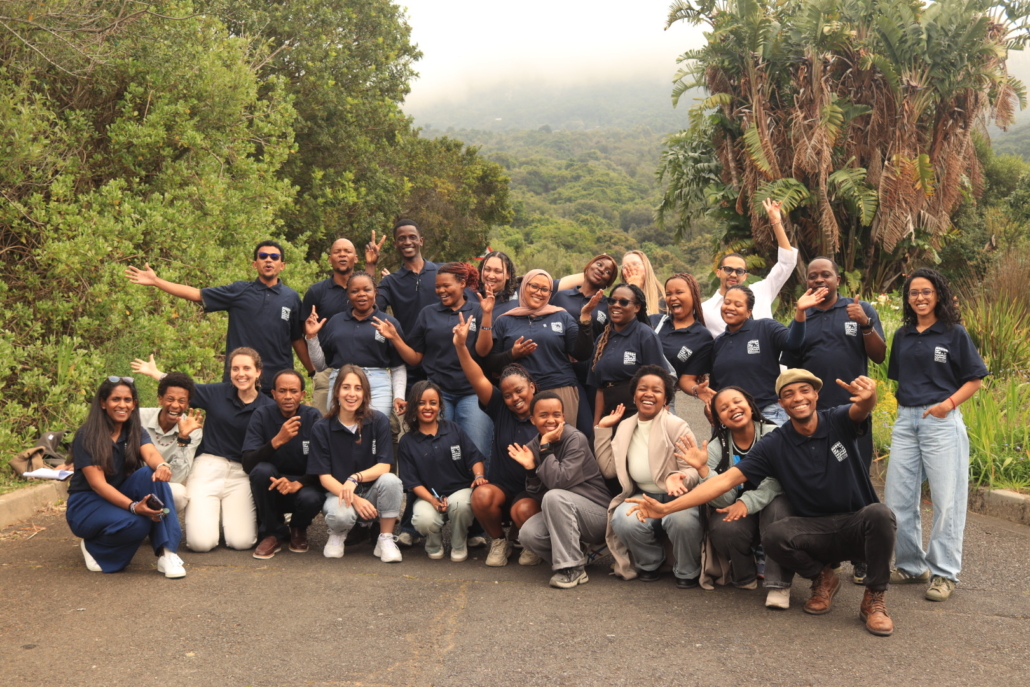
IOI SA 2026 Cohort
Over four weeks, I joined participants and experts from across Africa to examine the opportunities and challenges facing our oceans. Sessions covered international ocean law, marine spatial planning, fisheries, maritime security, offshore mining, climate change and the blue economy, alongside practical skills such as stakeholder engagement, conflict resolution, and leadership. What I valued most was seeing how these issues connected in practice. Field visits to the Two Oceans Aquarium, False Bay and the Port of Cape Town took my learning beyond the classroom, and group exercises and developing policy briefs pushed me to think about how international agreements and national policies translate into action.
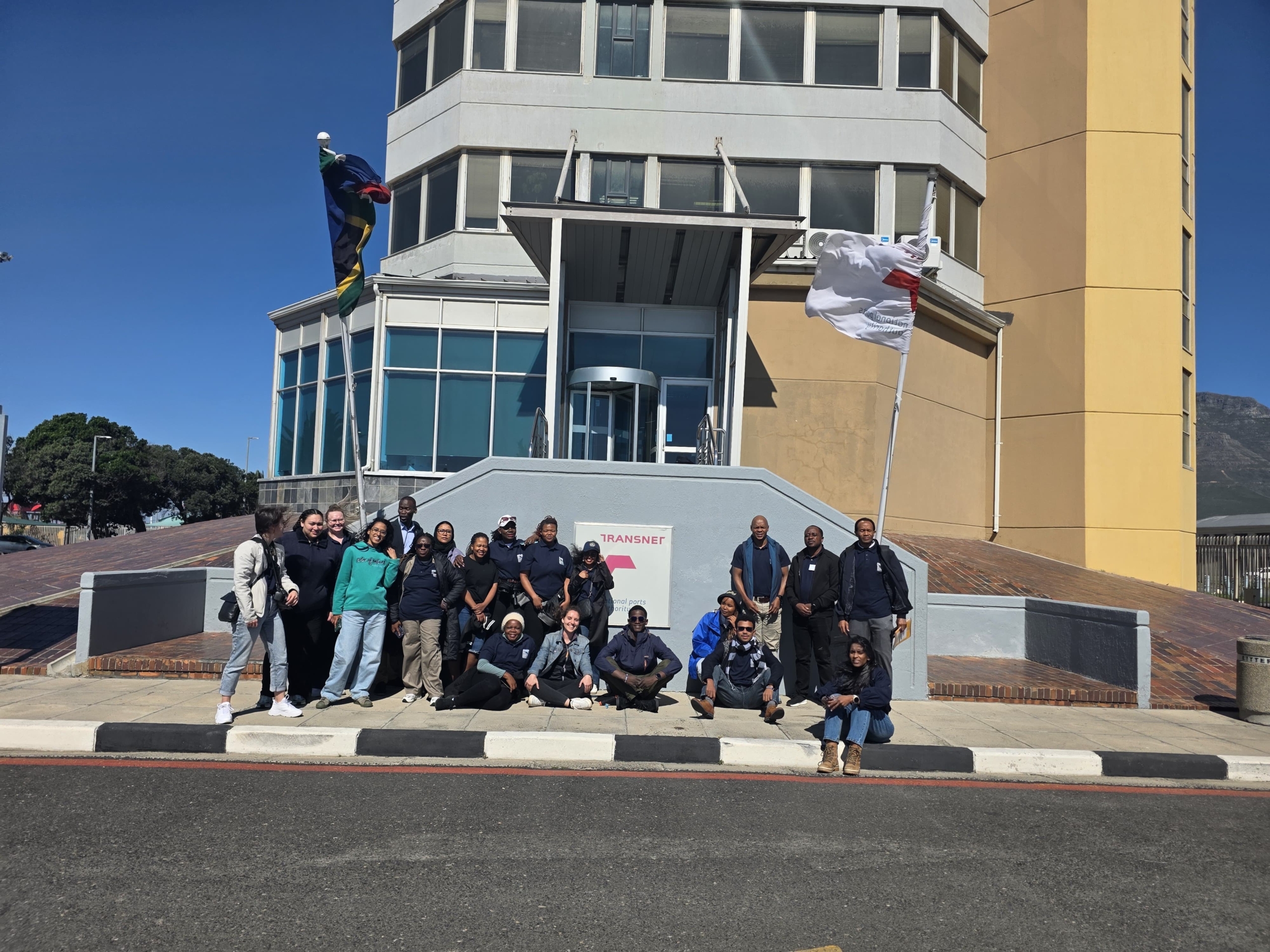
Visit to Transnet and Port facilities
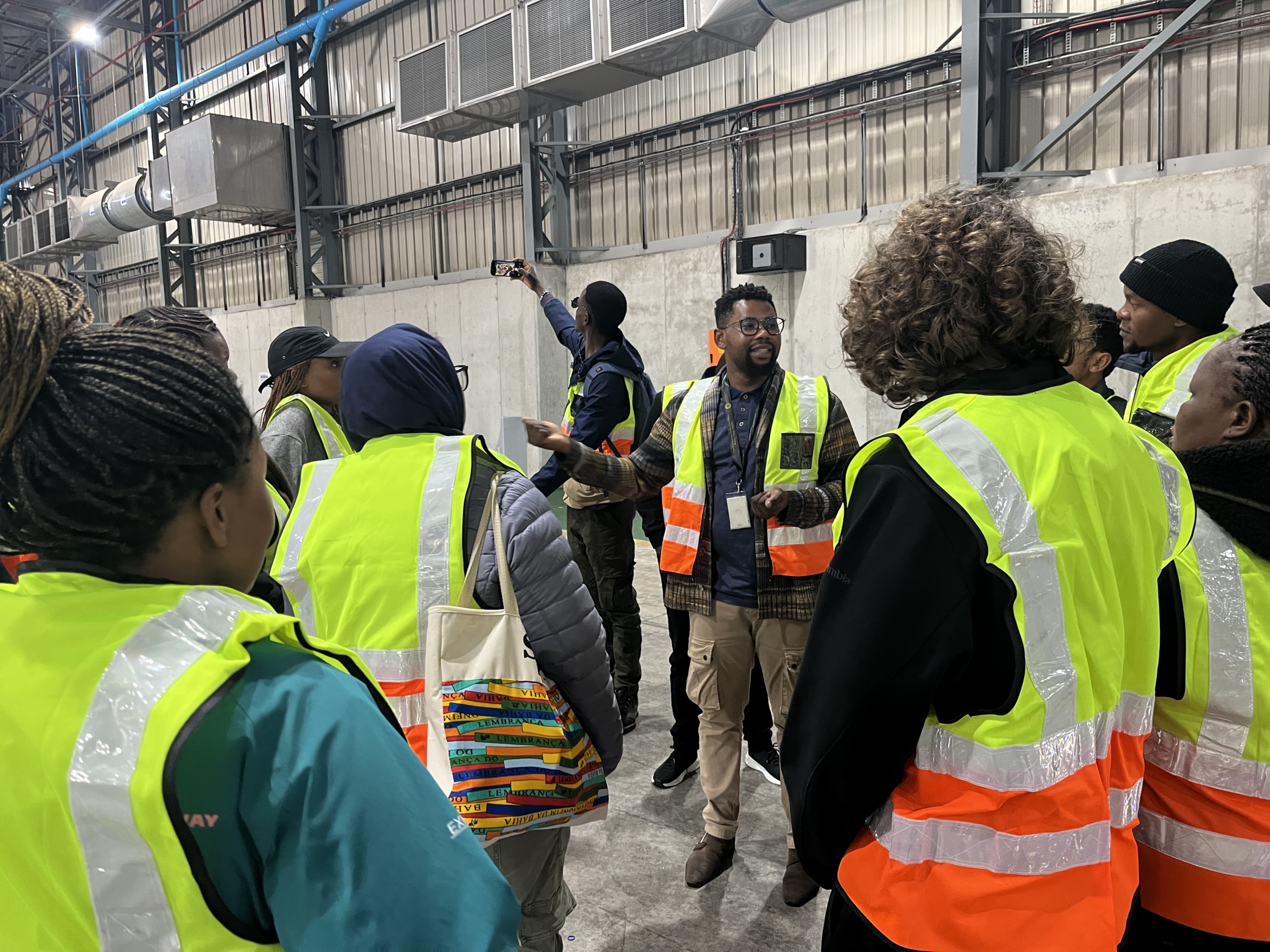
Coastal Park landfill site visit
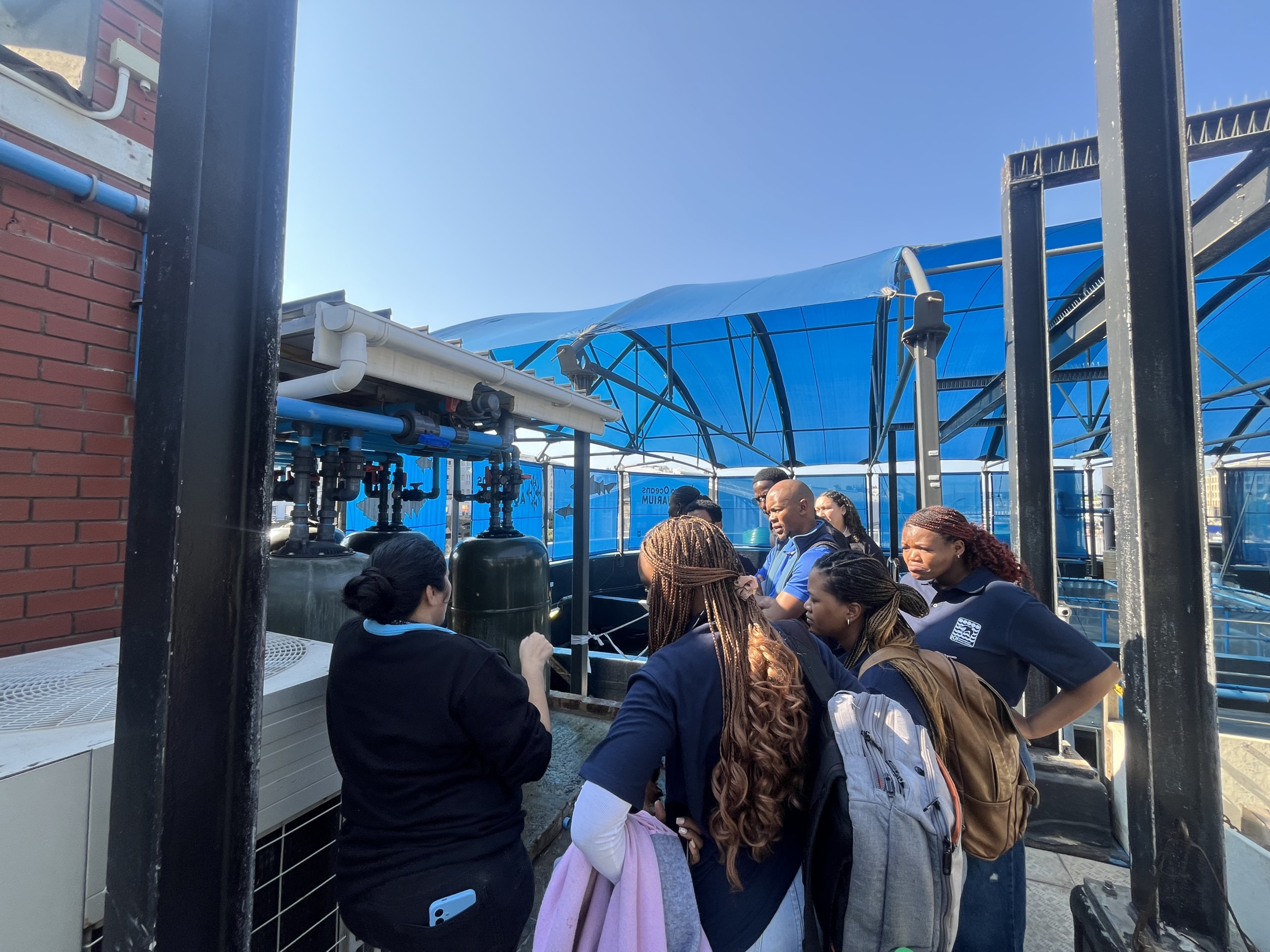
Behind the scenes tour at the Two oceans aquarium
One of the biggest lessons I learnt was that ocean governance is not only about laws, policies, and institutions. It is also about people and how they participate in decision-making, how competing interests are navigated, and how different forms of knowledge can lead to better outcomes. This was especially relevant to my work supporting collaboration and capacity development in the ocean space. The connections I made with professionals from different disciplines and countries underlined the need for stronger networks for knowledge exchange and regional cooperation.
At SAEON Egagasini, our work in ocean observations, marine biodiversity research and capacity development builds understanding of the marine environment, and this programme showed me how important it is to connect that knowledge with policy processes and the people who use it. Ultimately, effective ocean governance requires more than scientific evidence or sound policy alone. It requires people and institutions to work together to turn knowledge into meaningful action for a healthy and sustainable ocean.
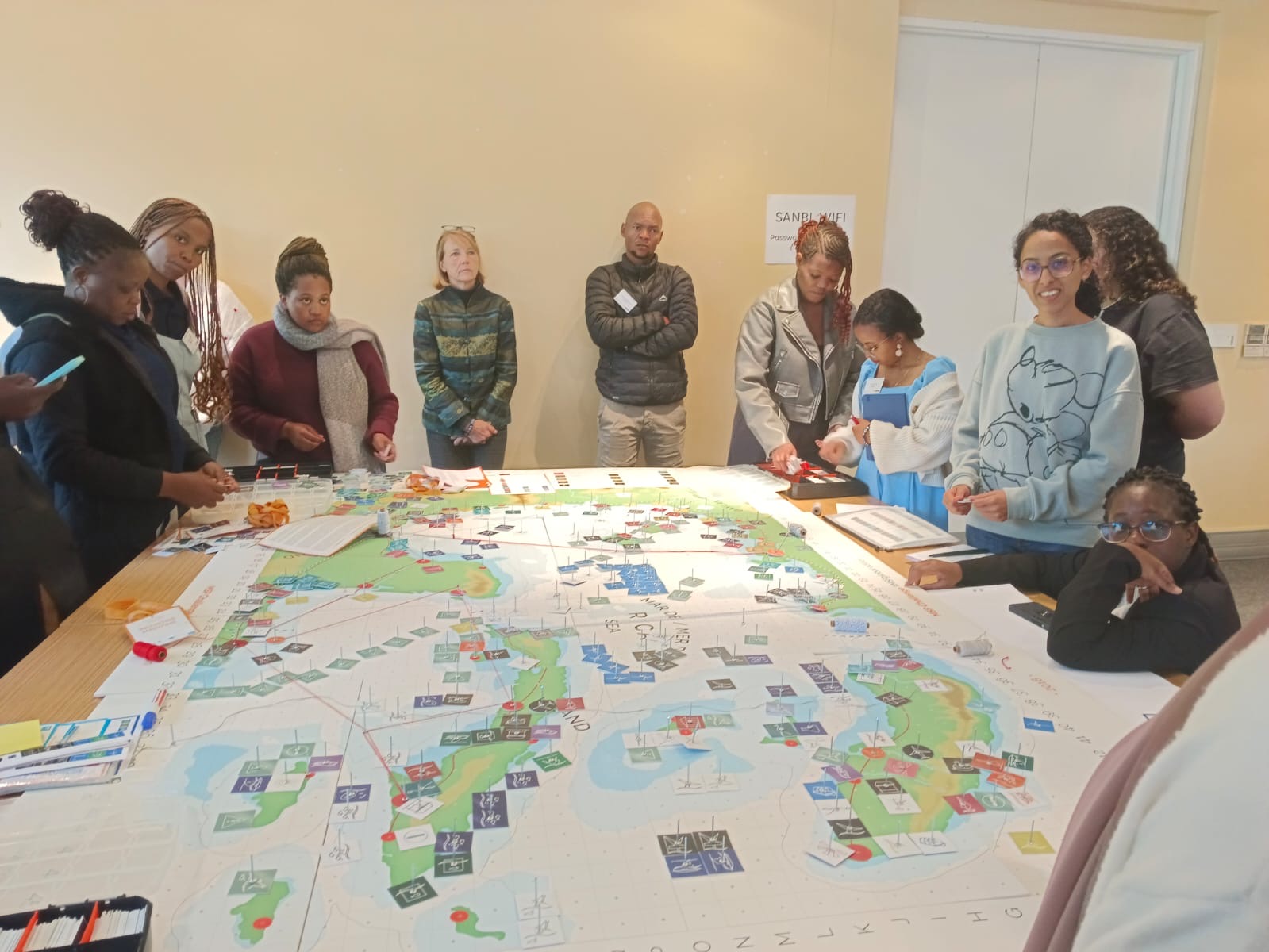
Course participants engaging in the Marine Spatial Planning board game
My sincere thanks to the IOI-SA team, SANBI, the facilitators and guest lecturers for an insightful and engaging programme, and to my fellow participants for their generosity and camaraderie. I am also grateful to SAEON for supporting my participation.
