eNews
#04 2026
Exploring Biodiversity: SAEON Grade 9 Science Camp at Bonamanzi Game Reserve
By Nozipho Mahlanze and Mgciniseni Masondo, Science Engagement Team, Grasslands Node, NRF-SAEON
#04 2026
By Nozipho Mahlanze and Mgciniseni Masondo, Science Engagement Team, Grasslands Node, NRF-SAEON
SAEON’s Grasslands Node hosted a Grade 9 Science Camp at Bonamanzi Game Reserve in Hluhluwe from 29 September to 2 October, bringing together 16 learners and three educators from four schools across the Maputaland Coastal Plain (MCP). Centred on biodiversity, the camp provided learners with an opportunity to explore the natural environment, investigate ecological processes and develop a deeper understanding of the relationships between living organisms and their surroundings.
Through a combination of fieldwork, scientific experiments, data analysis and group presentations, learners were introduced to the scientific method and the importance of evidence-based investigation. The activities encouraged curiosity, critical thinking, teamwork and the development of practical scientific skills while highlighting the importance of understanding and conserving biodiversity.
Day 1: Exploring Biodiversity and Scientific Inquiry
The first day focused on biodiversity, habitat exploration and the development of scientific inquiry skills. Learners explored three habitats within the reserve, observing their characteristics and considering how environmental conditions influence the distribution and activity of different organisms.
An introduction to camera-trap monitoring provided learners with practical experience in investigating wildlife activity. Working in groups of four, they deployed two camera traps in selected habitats to investigate animal activity at different times of the day. Learners also used GPS devices to record the coordinates and elevation of camera-trap locations and mark waypoints for navigation. These activities introduced them to field-based data collection techniques commonly used in ecological research and wildlife monitoring.
Back at camp hall, learners participated in the “Dancing Raisins” experiment, which demonstrated the importance of observation and questioning in scientific investigations. Using raisins, water, vinegar and carbonated soda, they observed how raisins moved in response to changes in their surroundings. The activity encouraged learners to formulate questions and hypotheses, record observations, interpret results and draw conclusions based on evidence.
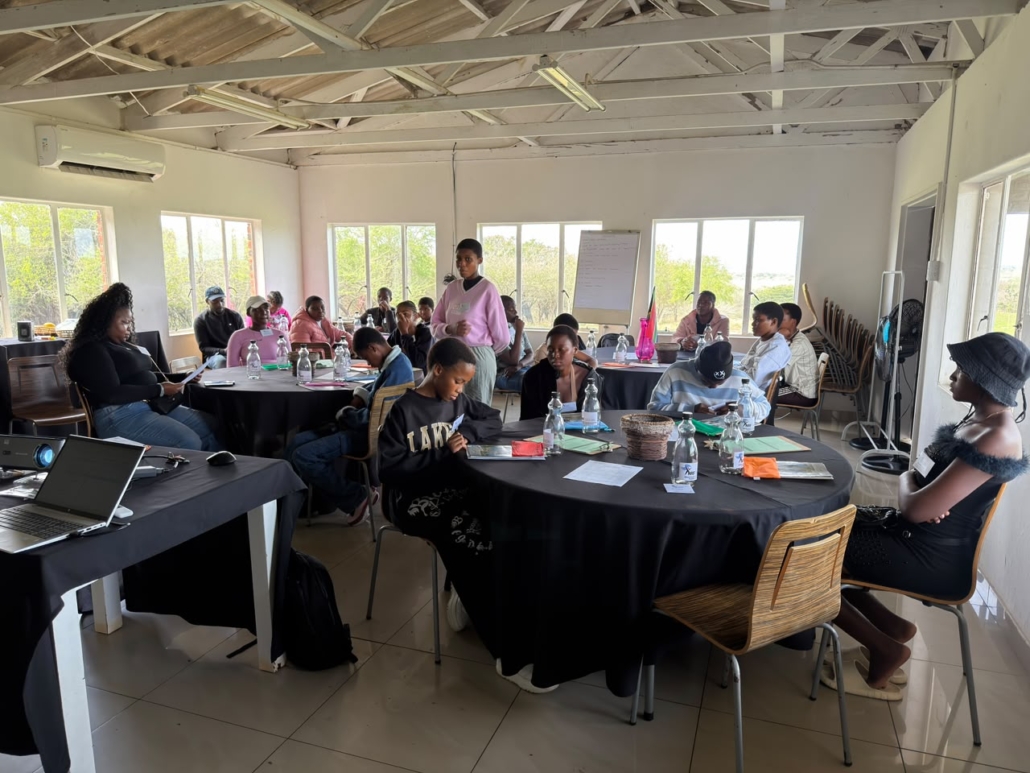
Figure 1: Nozipho Mahlanze with camp logistics and the introduction of the camp theme (Biodiversity) by Mgciniseni Masondo.
Day 2: Investigating Plant Transpiration and Analysing Data
The second day focused on plant transpiration and the environmental factors that influence water loss from leaves. Working in groups, learners investigated questions relating to leaf surface area, tree species, exposure to sunlight and shade, and leaf orientation according to the cardinal directions. The investigation provided an opportunity to apply scientific methods to real environmental questions and explore how plants respond to their surroundings.
Learners also used thermometers to measure temperatures at ground level and two metres above the ground, allowing them to compare environmental conditions at different heights. Later, they retrieved their transpiration bags and camera traps, collecting the data needed to analyse their investigations and interpret their findings.
A computer workshop introduced learners to data entry, tables, graphs and the use of Microsoft Excel and PowerPoint. For many participants, this was their first experience using these applications. The workshop demonstrated how technology can support scientific research by helping researchers organise information, identify patterns, represent results visually and communicate findings effectively.
The day’s programme also included an educational game drive through Bonamanzi Game Reserve, giving learners further opportunities to observe the reserve’s biodiversity and appreciate the variety of wildlife and habitats within the area. In the evening, groups worked together to analyse their collected data and prepare presentations of their investigations.
The day concluded with a UV Night Safari, offering learners a unique opportunity to explore nocturnal biodiversity. One of the highlights was observing scorpions glowing under ultraviolet light, providing a memorable demonstration of the fascinating characteristics of organisms that are often overlooked during daylight hours.

Figure 2: Mgciniseni Masondo showing how to use camera traps by explaining the manual to the learners
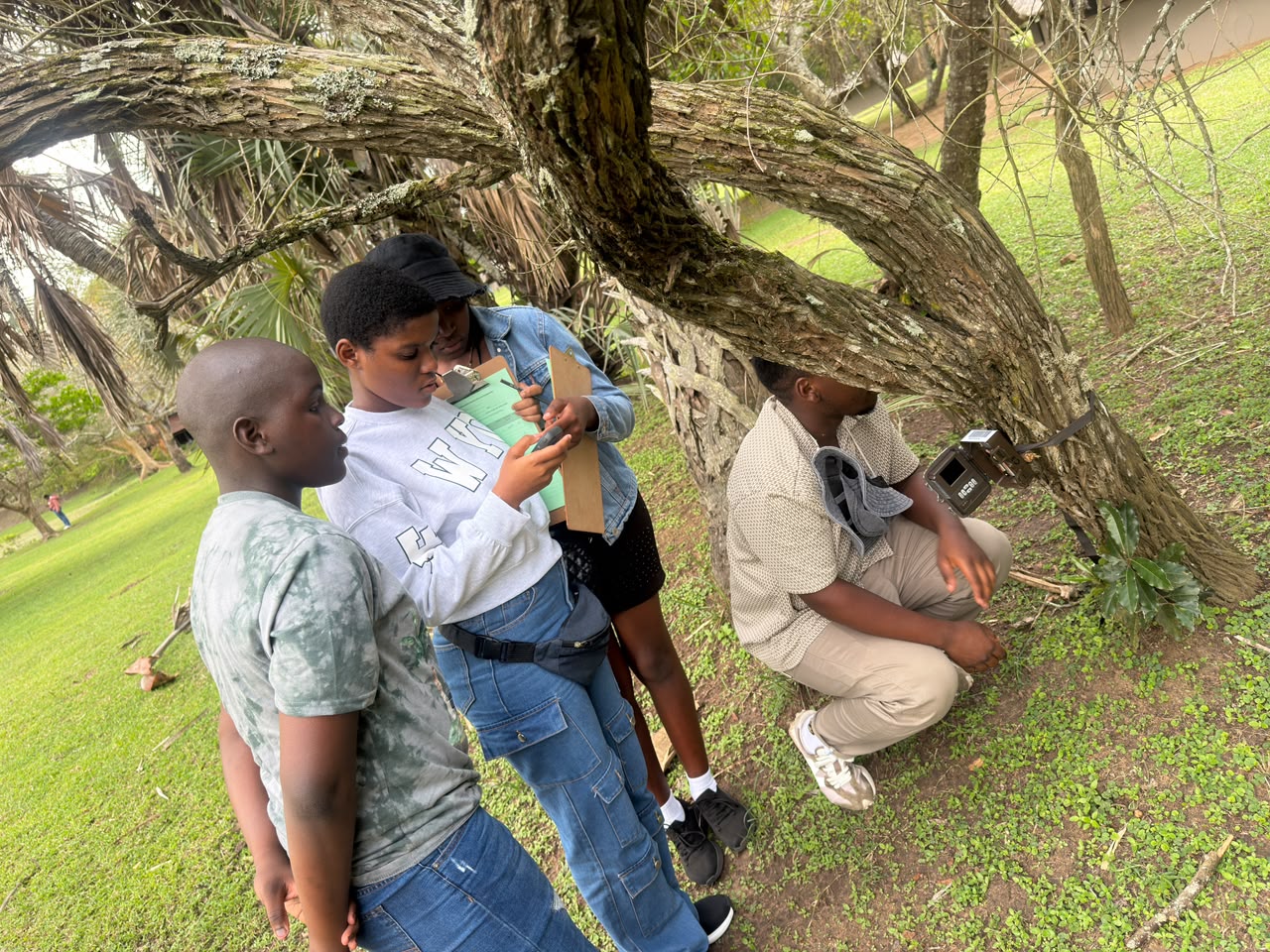
Figure 3: Learners deploying their cameras at the field and noting geographical metadata
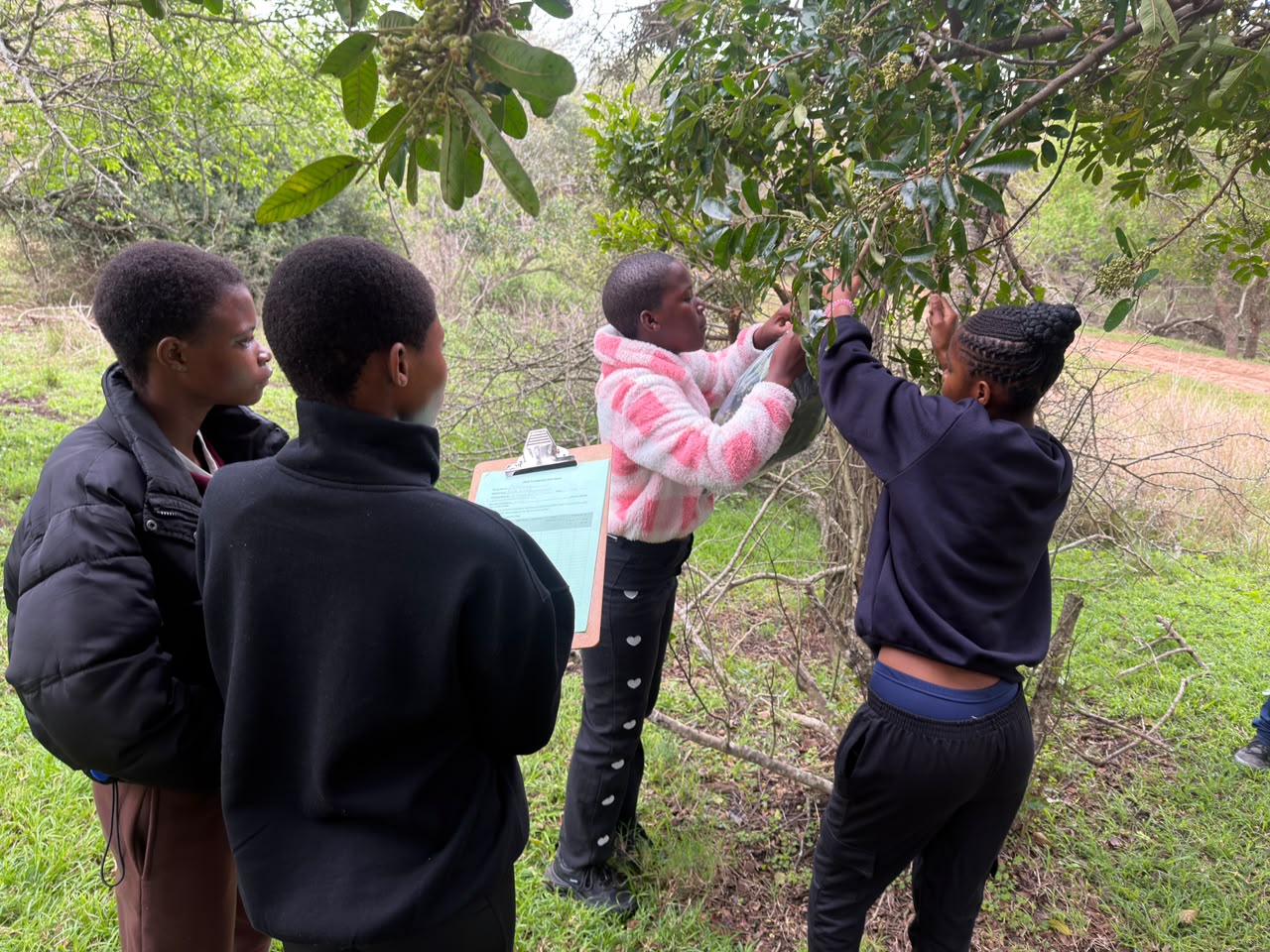
Figure 4: Learners doing Transpiration activity at the field

Figure 5: Learners conducting a Dancing Raisin Experiment
Day 3: Presenting Findings and Sharing Knowledge
The final day was dedicated to completing and presenting the learners’ investigations. Four groups presented their findings, explaining their research questions, scientific statements, observations and results. Each presentation was followed by a question-and-answer session, allowing learners to explain their approaches, reflect on their findings and engage with questions from fellow participants and facilitators.
The presentations provided an opportunity for learners to demonstrate their understanding of the scientific process, from formulating research questions and collecting data to analysing results and communicating conclusions. Feedback from facilitators helped reinforce key scientific concepts and encouraged learners to reflect on what they had learned throughout the camp.
This collaborative process highlighted the importance of teamwork, clear communication and critical thinking in scientific research. It also gave learners an opportunity to build confidence in presenting their work and discussing scientific findings with others.
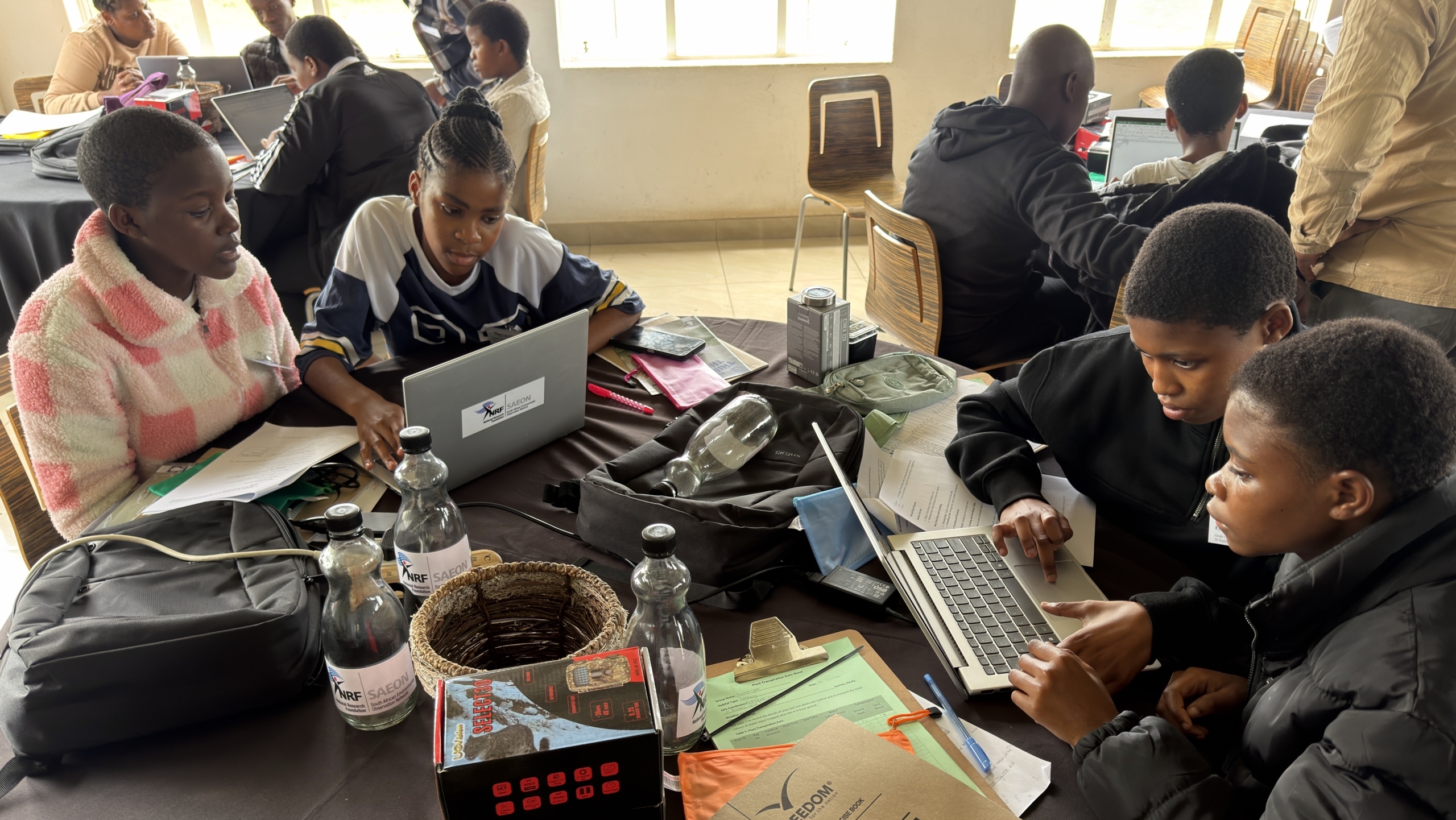
Figure 6: Learners doing data entry, data analysis and preparing for their presentations
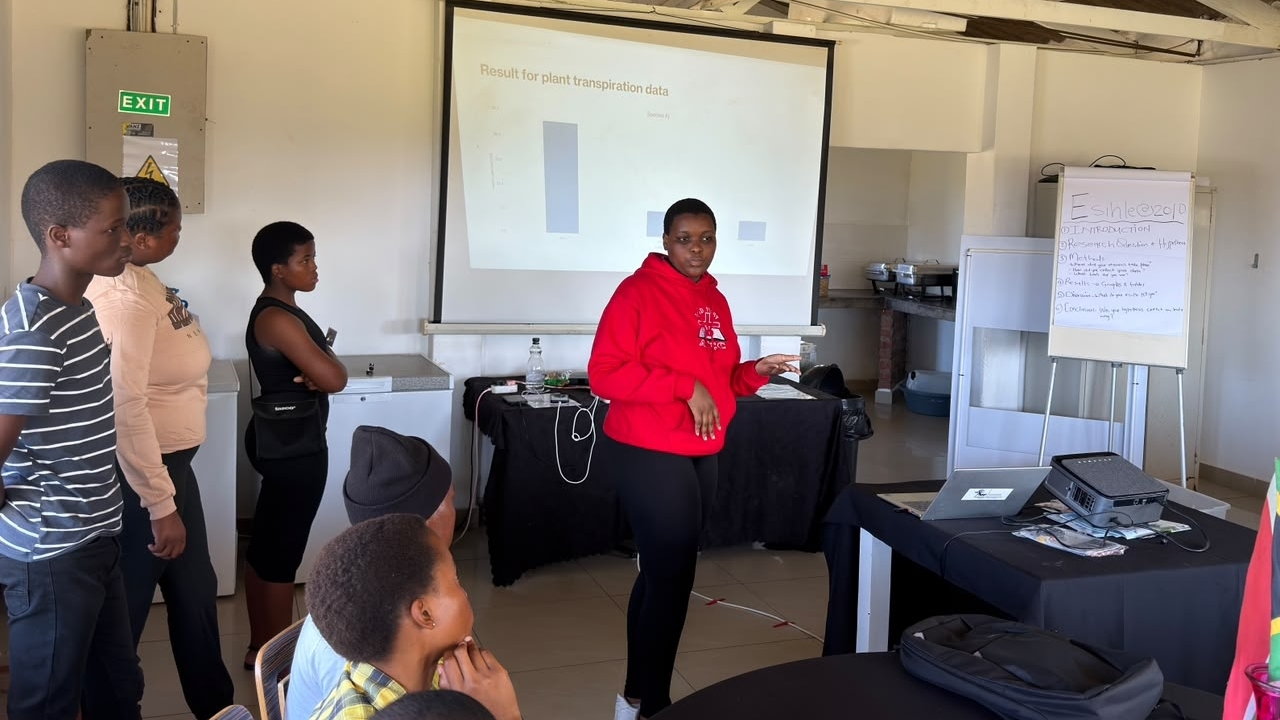
Figure 7: Learners presenting their findings per group
Building Scientific Skills and Inspiring Environmental Awareness
The Grade 9 Science Camp provided an engaging, practical learning experience that strengthened learners’ understanding of biodiversity, ecosystem functioning and species adaptations. By participating in field investigations and experiments, learners gained valuable experience in observation, hypothesis formulation, data collection, analysis and scientific communication.
The camp also highlighted the role of technology in modern scientific research, introducing learners to digital tools for organising, analysing and presenting data. These skills are important not only in science education but also in developing the confidence to investigate questions, interpret information and communicate ideas effectively.
Most importantly, the camp connected classroom learning with real-world environmental experiences. From monitoring wildlife with camera traps and investigating plant transpiration to exploring nocturnal species during the UV Night Safari, learners experienced science as an active process of discovery.
Through this initiative, SAEON’s Grasslands Node continues to support science education by creating opportunities for young learners to engage with the natural environment and develop an appreciation for biodiversity. The camp encouraged participants to remain curious, ask questions and recognise the importance of scientific evidence in understanding the world around them.
By combining hands-on investigations, digital learning and environmental exploration, the camp fostered a deeper appreciation for nature while inspiring learners to take an active interest in biodiversity, environmental stewardship and the role of science in addressing ecological questions.
