eNews
#04 2026
Two More Weather Stations Deployed – EFTEON Lowveld Landscape Expands its Climate Monitoring Footprint
By Mary Nkosi, Amukelani Maluleke, Tsumbedzo Ramalevha and Nolusindiso Ndara -EFTEON Lowveld Landscape

#04 2026
By Mary Nkosi, Amukelani Maluleke, Tsumbedzo Ramalevha and Nolusindiso Ndara -EFTEON Lowveld Landscape
EFTEON recently deployed two additional weather stations across its Lowveld Landscape network, bringing the total number of active stations in the landscape to five. The Lowveld Landscape covers most parts of the Sabie-Sand River catchment and a satellite node hosted by the Mjejane Private Nature Reserve in the Crocodile River catchment, linking important climate processes in this ecologically significant region of South Africa.
The newly established MTO Ramanas weather station (-24.9464° S, 30.8969° E), situated at approximately 1,038 m above sea level in a plantation forest, and the Mjejane Game Reserve weather station in a bushveld savanna game reserve, at approximately 241 m, strategically complement the existing stations at Wits Rural Campus (570 m), MRC/Wits Agincourt (513 m), and Skukuza Eddy Covariance (358 m). Together, the five stations form a distributed observation network that captures weather patterns along an altitudinal gradient. By combining their measurements, we can improve our understanding of how essential variables such as rainfall and temperature, amongst other hydrometeorological variables, vary across the landscape.
This information is especially valuable in the Lowveld, where rainfall and temperature vary considerably across space and time. Furthermore, it can contribute to a better understanding of water availability, catchment processes and ecosystem responses to climatic variability, most importantly, in the context of climate change. Changes in temperature, rainfall patterns and the frequency and intensity of extreme events affect both ecosystems and human livelihoods.
By increasing its hydrometeorology network, SAEON-EFTEON is spearheading with ensuring readily available datasets that contribute to precise climate and ecological research in South Africa’s unique biomes and vulnerable communities. Over time, the observations from the network will build valuable long-term datasets for tracking patterns, variability and change in hydrometeorological conditions across the Lowveld. This deployment therefore advances EFTEON’s core objective of providing and operating an instrument network that supports environmental research across South Africa. The growing network of weather stations across all EFTEON Landscapes is consequently more than an expansion of monitoring infrastructure. It represents a step towards developing a connected, landscape-scale observation system through which changes in climate, water and ecosystem processes can be better understood over time.
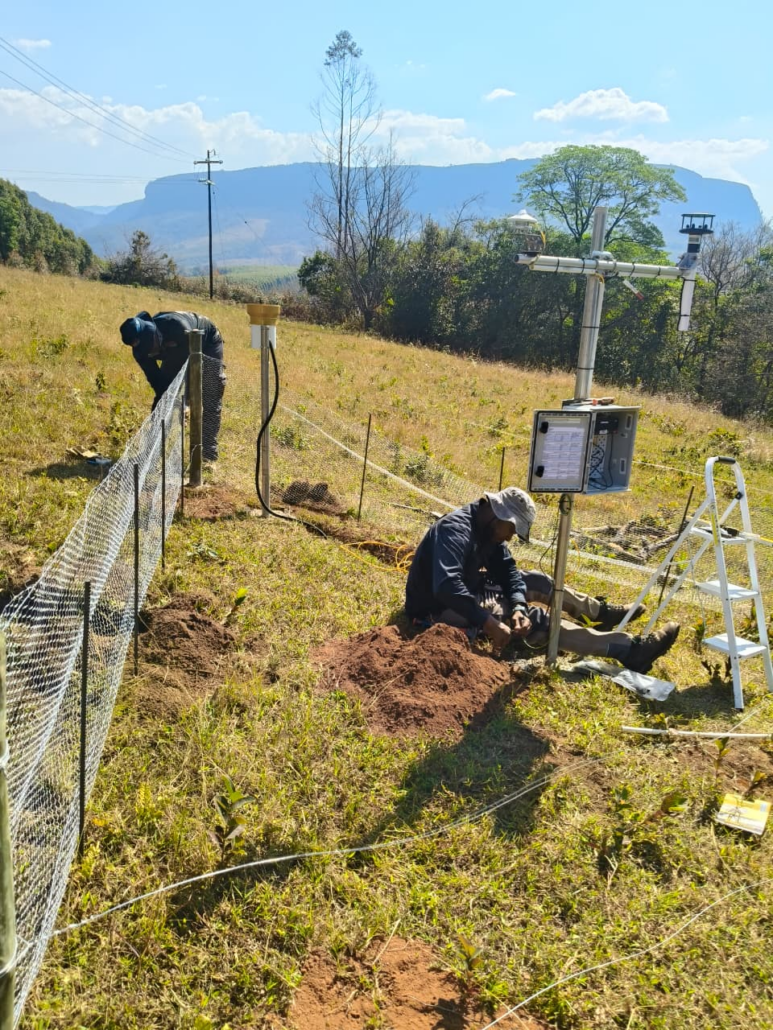
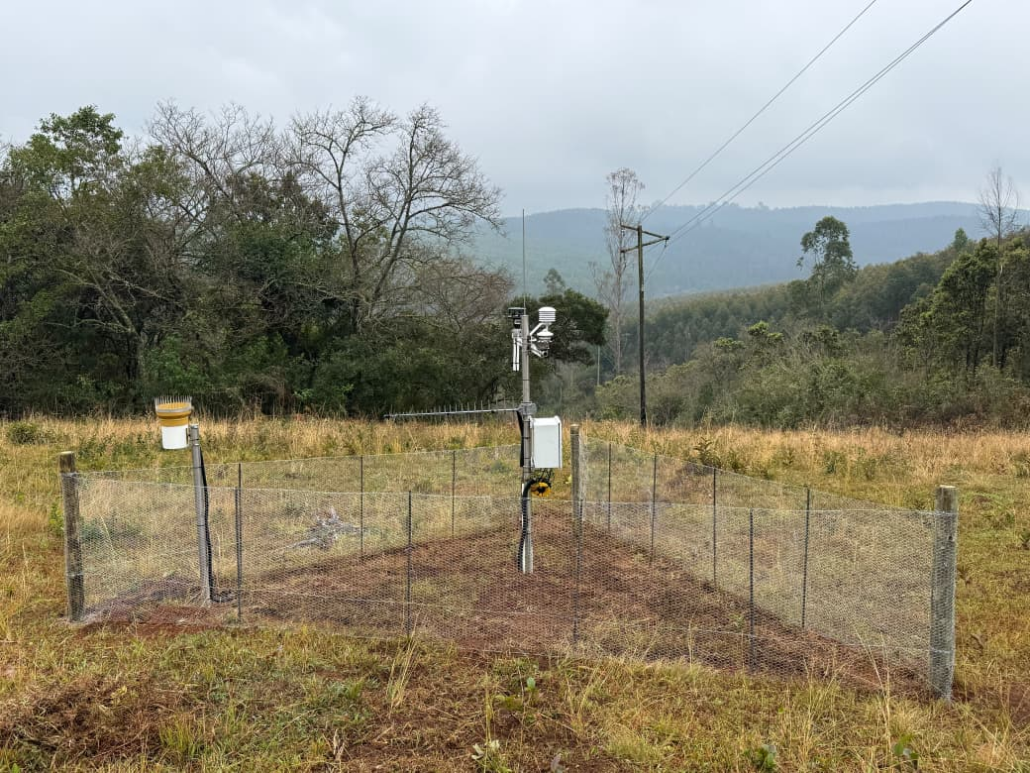
Figure 1: MTO Ramanas weather station deployed on the 25th of August 2026
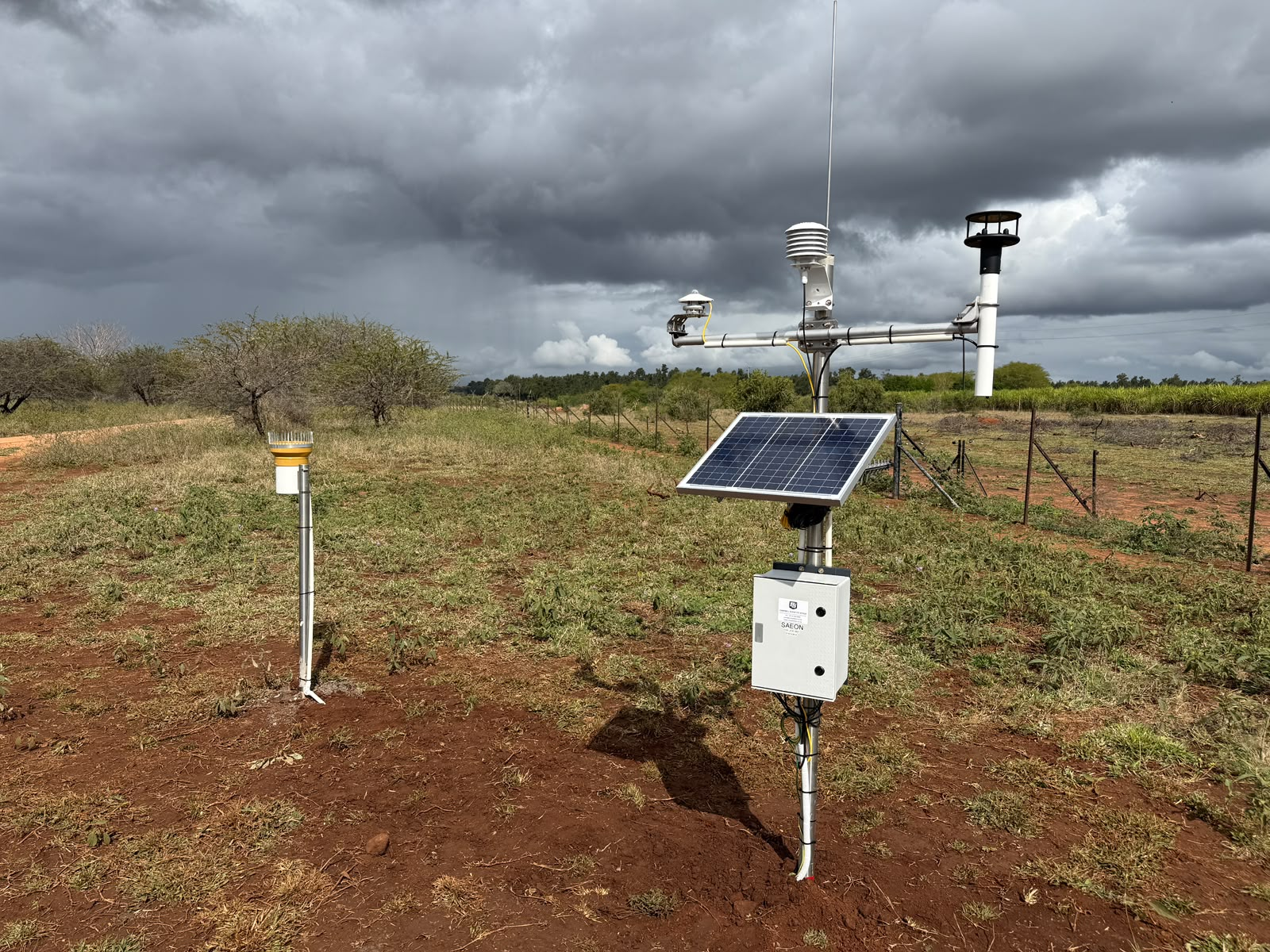
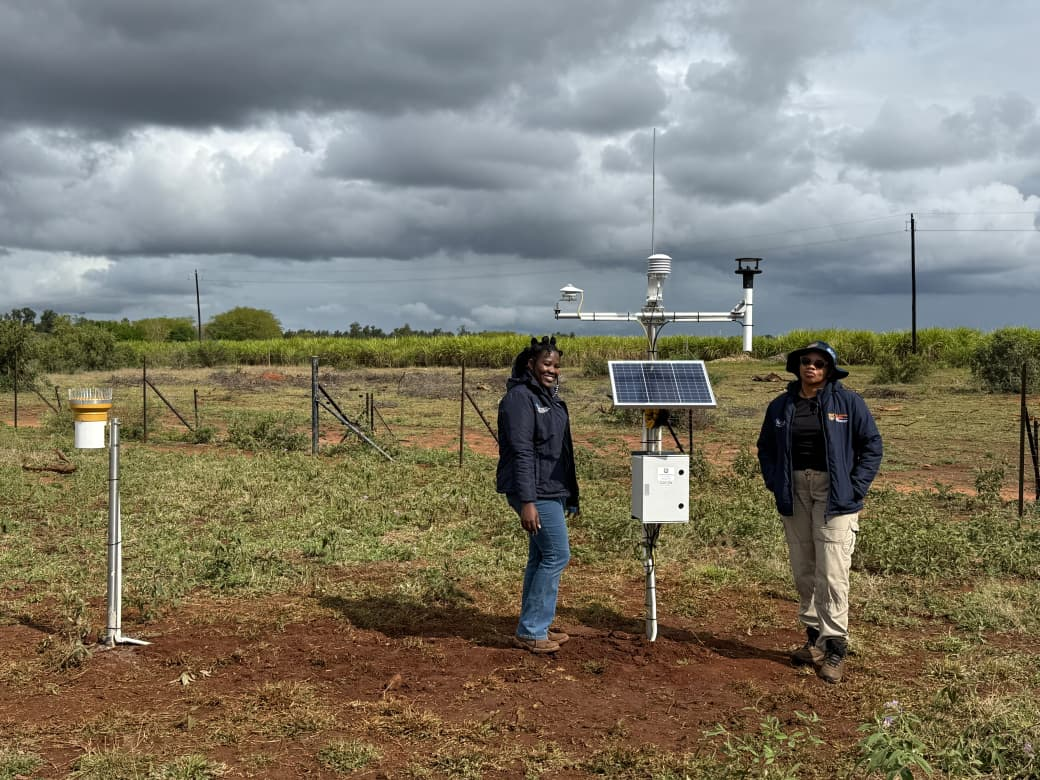
Figure 2: Mjejane Game Reserve weather station deployed on the 8th of September 2026
