eNews
#04 2026
Standardizing River Monitoring Across Lowveld’s Major Catchments
By Tsumbedzo Ramalevha, EFTEON Biodiversity Technician
#04 2026
By Tsumbedzo Ramalevha, EFTEON Biodiversity Technician
Rivers know no borders. The waters flowing through the iconic Kruger National Park (KNP) carry the ecological signature of every agricultural field, village, and development upstream. To protect these vital lifelines, understanding catchment health cannot stop at a park fence – it demands unified science, shared tools, and cross-institutional collaboration.
During 06 to 17 September 2026, SAEON EFTEON biodiversity technician Tsumbedzo Ramalevha joined expert teams across the Lowveld to bridge these gaps. Shadowing specialists from partner organisations—including SANParks, DWS, SANBI, SAAIB, and the University of Mpumalanga—this collaborative effort focused on standardising technical protocols to prepare for EFTEON’s upcoming baseline sampling campaign across the Sabie, Sand, and Crocodile River catchments.
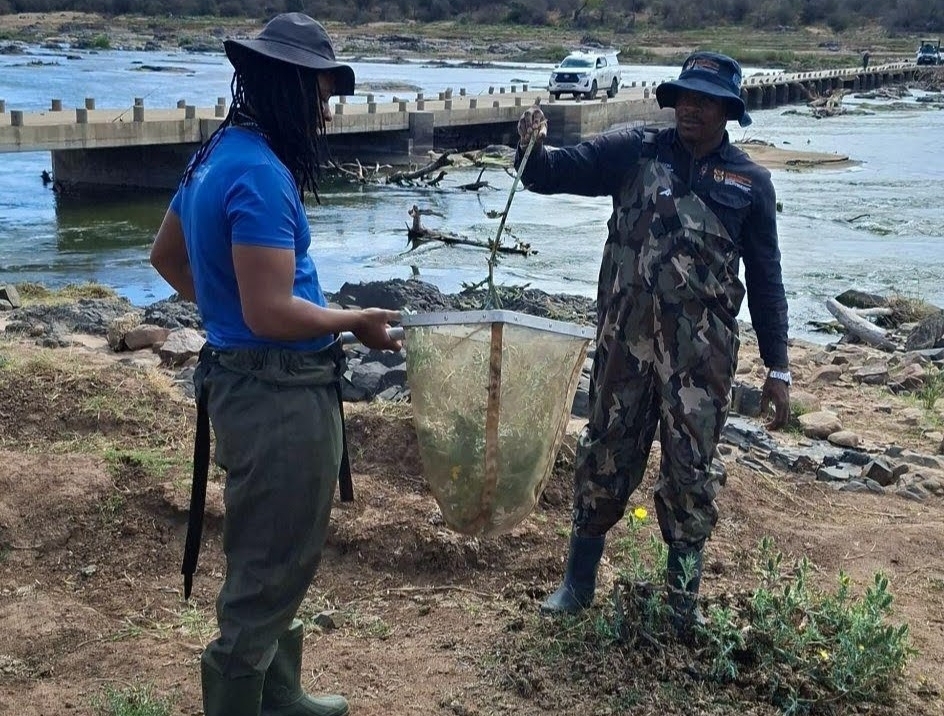
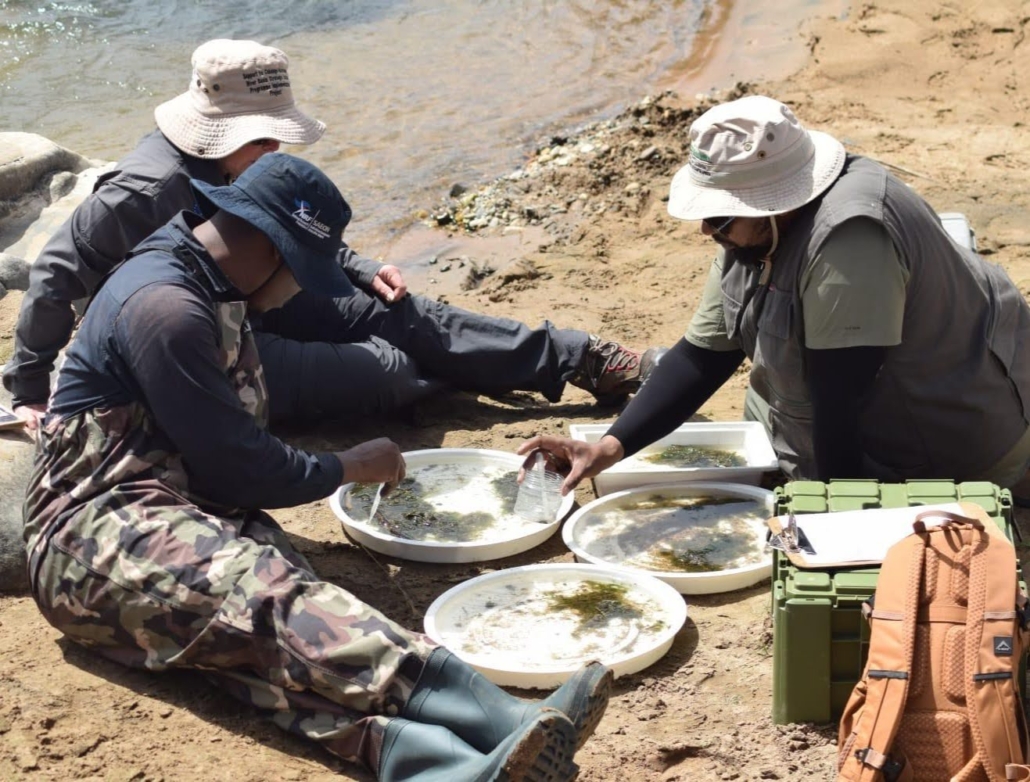
Figure 1: Riparian vegetation sampling (left) and macroinvertebrate identification (right).
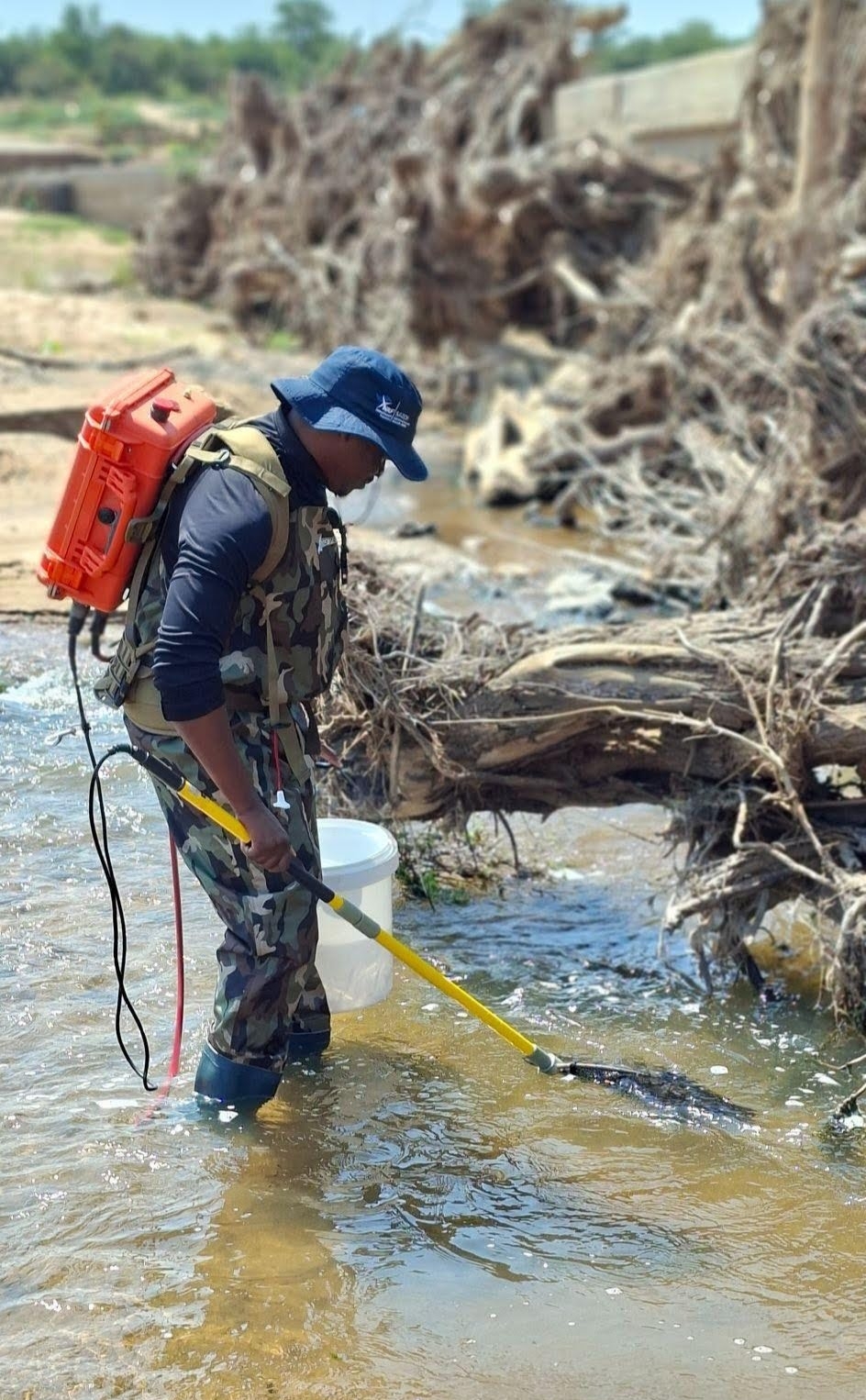
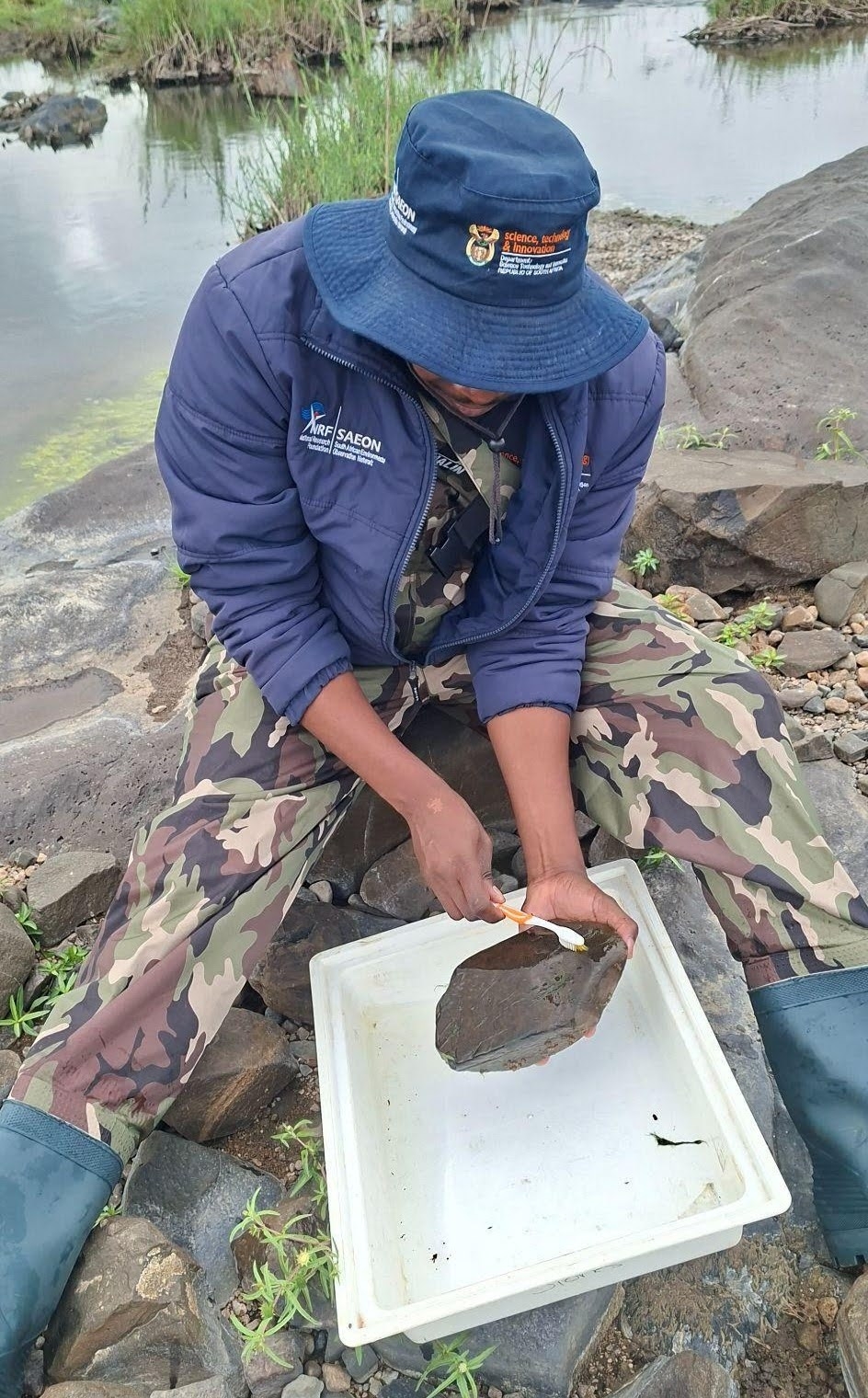
Figure 2: Electrofishing (left) and diatom sampling (right).
Long-term ecological research relies entirely on comparability. By aligning EFTEON’s future sampling points such as those along the Sabie, Sand, and Crocodile rivers—with SANParks’ ongoing monitoring radii, researchers can track water quality changes, aquatic biodiversity shifts, and nitrate dynamics seamlessly across protected and non-protected boundaries.
