eNews
#05 2025
Do protected areas shield birds from drought? A closer look at Kruger National Park
By Dr Rion E. Lerm, NRF-SAEON Ndlovu Node & Centre for Functional Biodiversity, University of KwaZulu-Natal

#05 2025
By Dr Rion E. Lerm, NRF-SAEON Ndlovu Node & Centre for Functional Biodiversity, University of KwaZulu-Natal
Protected areas like Kruger National Park are often seen as sanctuaries for wildlife, providing a buffer against threats like habitat loss and climate change. But how well do they really protect biodiversity, especially in the face of extreme weather events like droughts? Scientists are beginning to ask tough questions – and with good reason.
Take birds, for example. In Africa, even globally threatened bird species are not always well protected by the existing network of conservation areas. Only a small portion of their ranges falls within protected area boundaries. Even in iconic conservation areas like Kruger National Park, bird conservation may be receiving less attention than it deserves.
Kruger National Park in South Africa is one of the largest protected savannas in Africa, covering around 20 000 square kilometres. It is a hotspot for tourists, but also a magnet for ecological researchers. Most studies conducted here, though, tend to focus on big animals, fire or plants. Birds? Not so much. In fact, only about three percent of research projects in the park focus on birds – and even fewer investigate how entire bird communities are affected by environmental changes. That is a major gap.
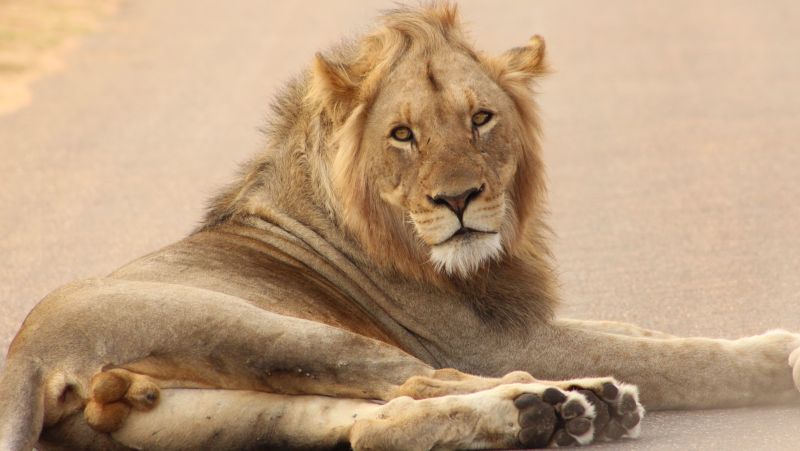
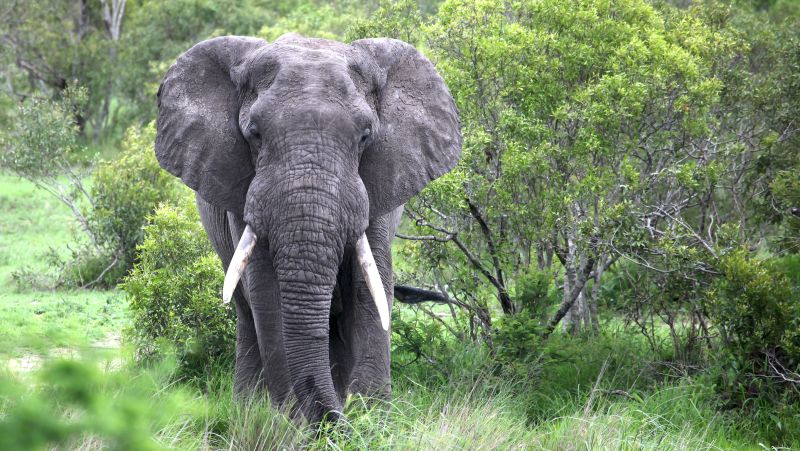
Protected areas like Kruger National Park are often seen as sanctuaries for wildlife, providing a buffer against threats like habitat loss and climate change (Photos: Malachite Media & Shutterstock)
To address this, our research team* set out to explore how bird communities in Kruger responded to a major drought in 2015/2016. This drought was unusually intense and prompted a wave of ecological research across different fields. However, the impacts on birds, especially as entire communities rather than just single species, were still poorly understood.
We started by looking at bird diversity in a broad sense: not just how many species there were, but how those species function in the ecosystem. We grouped around 500 bird species based on traits like where they nest, what they eat and their body size. By taking this “functional” approach, we could better assess how environmental stress affects the roles birds play in a savanna system.
Next, we paired bird data with satellite-derived information about the environment, like rainfall, temperature and vegetation health. These let us examine how bird populations responded across nearly a decade, covering the time before, during and after the drought.
We did not go into the park ourselves to collect bird data. Instead, we used a massive citizen science dataset from the Southern African Bird Atlas Project (SABAP 2), built from observations by birdwatchers across the country. Everyday nature lovers recorded their sightings through tools like BirdLasser, and this community-powered science gave us access to millions of bird records. It is a powerful example of how public participation can support rigorous research.
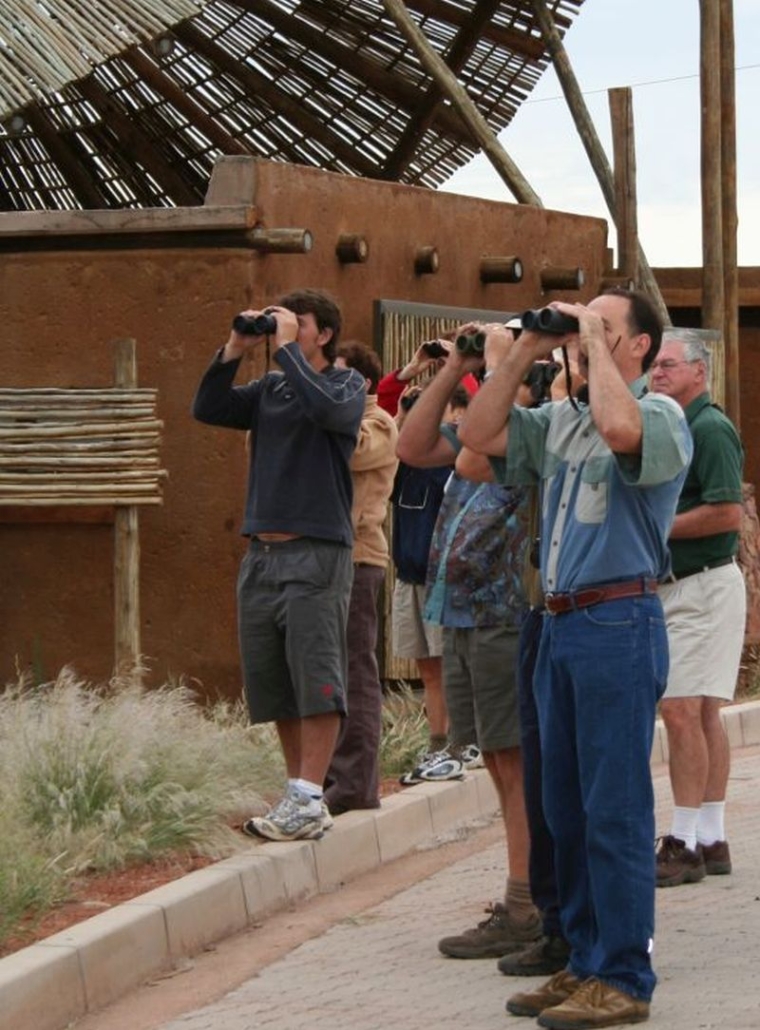
The research team did not collect bird data inside the park. Instead, they used an extensive citizen science dataset from the Southern African Bird Atlas Project (SABAP 2), built from observations by birdwatchers across the country. (Images: Malachite Media and SANBI)
Now, while we are not sharing exact details just yet (the study is still under peer review), here is what we can say:
Ultimately, our findings contribute to a growing global conversation about the effectiveness of protected areas in the face of climate change. While parks like Kruger remain invaluable, there is room to improve how we use them – not just as tourist destinations, but as living laboratories and biodiversity strongholds.
If we were to better protect bird communities in these changing times, we would need more research that goes beyond the charismatic big mammals and gets to the heart of how entire ecosystems respond to change.
At the time of writing this newsletter article, the scientific manuscript was still under review. For further details, consult the scientific publication here.
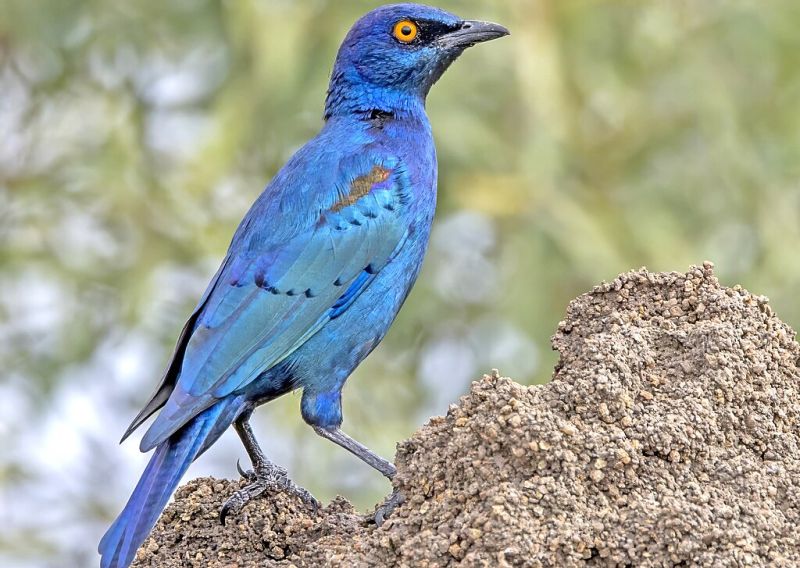
The Cape (Glossy) Starling Lamprotornis nitens, a highly vocal species commonly found at Kruger National Park’s picnic sites, is part of a cluster of small to medium-sized bird species impacted by vegetation greenness, which were affected by the 2015–2016 drought. (Photo: Charles J. Sharp)

Dr Rion E. Lerm joined the NRF-SAEON Ndlovu Node as research infrastructure technician in 2014. He is partly involved in the maintenance and collation of data from a wide range of long-term environmental research infrastructure including meteorological, hydrological and biological systems. He is also passionately involved with Node and student research projects focusing on animal biota such as bird communities. His research interests focus primarily on community ecology, functional ecology and biogeography as well as exploring potential drivers that shape these communities, specifically in savanna systems. Furthermore, his interests stretch towards remote sensing, GIS and biostatistics that he enjoys teaching to those interested in exploring these technical realms.
* Rion E. Lerma,b, Lucas P. Medeirosc, Dave I. Thompsonb,d,e, David A. Ehlers Smitha,f, Colleen T. Downsa
Photograph of Malachite Kingfisher on Index Page © Shutterstock/Phor Phun
