We have the choice to use the gift of our life to make the world a better place – or not to bother.
~ Jane Goodall, primatologist and anthropologist
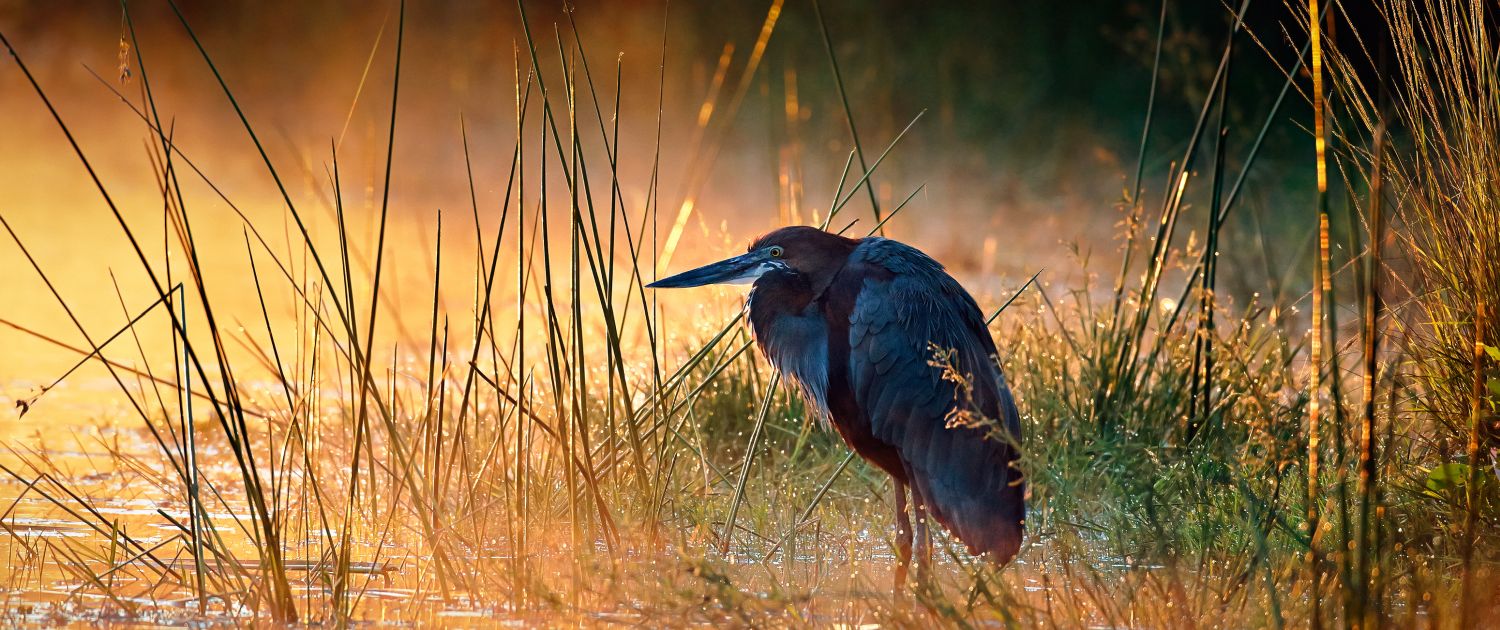
A research team comprising experts from SAEON, the University of KwaZulu-Natal, BirdLife South Africa and a collaborator from the U.S., set out to explore how bird communities in the Kruger National Park responded to an unusually intense drought.
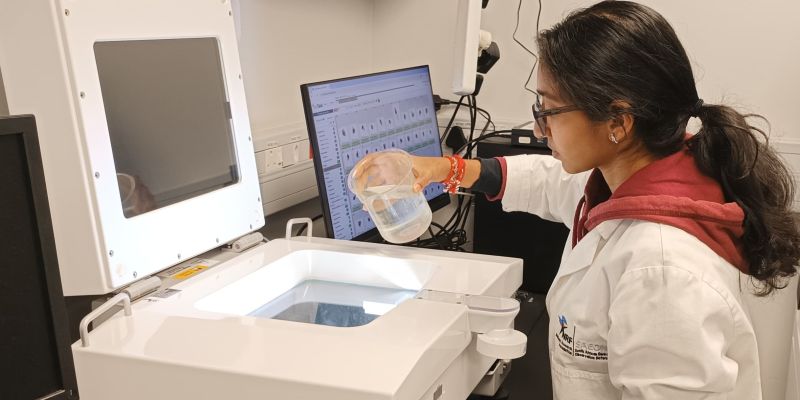
Researchers from the Shallow Marine and Coastal Research Infrastructure are investigating marine cladocerans in SAEON’s Algoa Bay Sentinel Site. These tiny organisms’ sensitivity to environmental factors makes them useful indicators of environmental change.
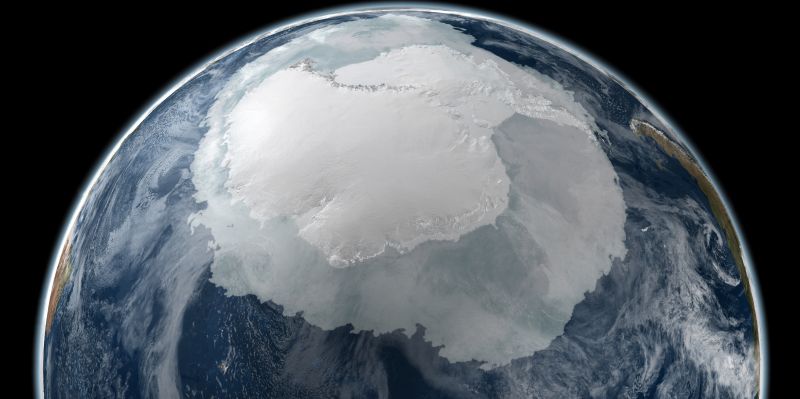
Riesna R. Audh’s research findings challenge long-standing assumptions about the seasonality of sea ice processes and underscore the need for integrated, multidisciplinary approaches to studying the Antarctic Marginal Ice Zone.
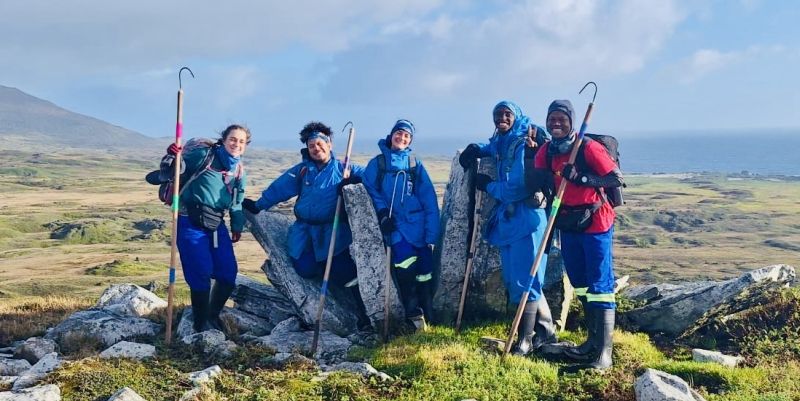
These dedicated marine mammal and seabird field researchers form part of the Marion Island Top Predator Long-Term Observation Programme, a key initiative under the South African Polar Research Infrastructure.
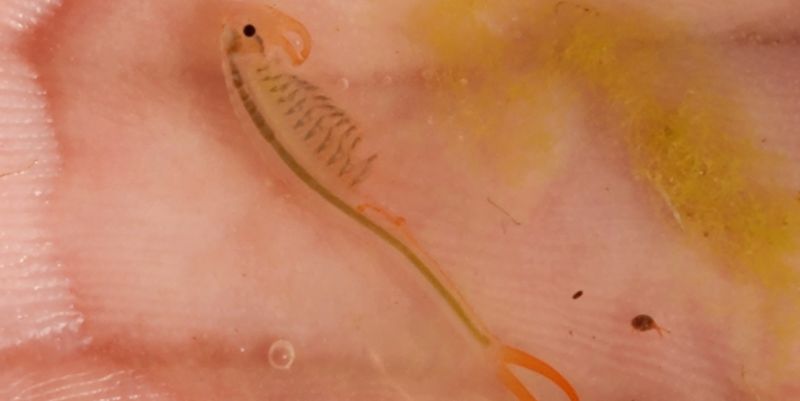
Dr Betsie Milne, an honorary NRF-SAEON research associate, was one of the branchiopod taxon leads that conducted the Red List assessment of South African Anostraca (fairy shrimp), which aims to strengthen the fight against current threats that Anostraca are facing.
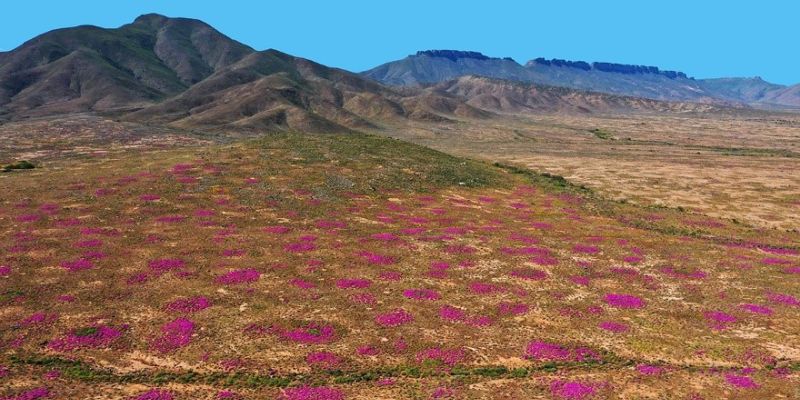
Researchers have long debated the origins of heuweltjies. Now, a new guidebook by an international group of researchers provides comprehensive coverage of recent findings.
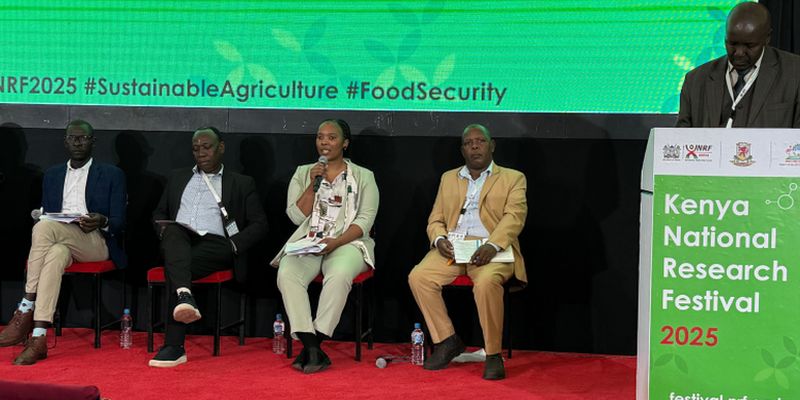
The long-standing relationship between the National Research Fund of Kenya and the National Research Foundation of South Africa has been sustained by multilateral programmes that advance shared development priorities.
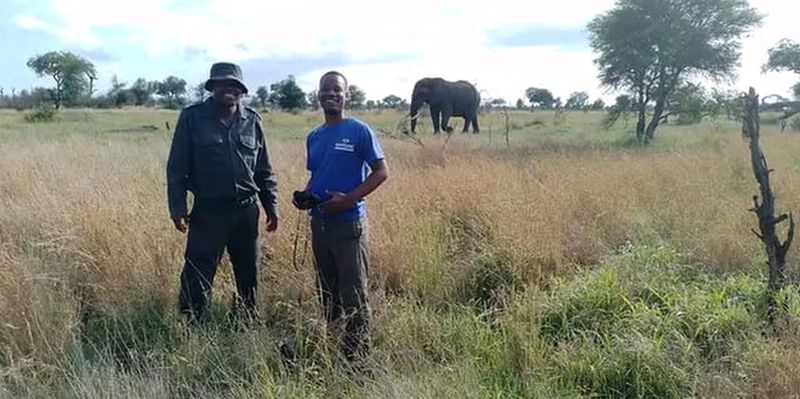
The Ndlovu team recently undertook week-long training in First Aid Levels 1 and 2, and basic firefighting. Staff were equipped to respond quickly and effectively to injuries, medical emergencies and sudden health crises.
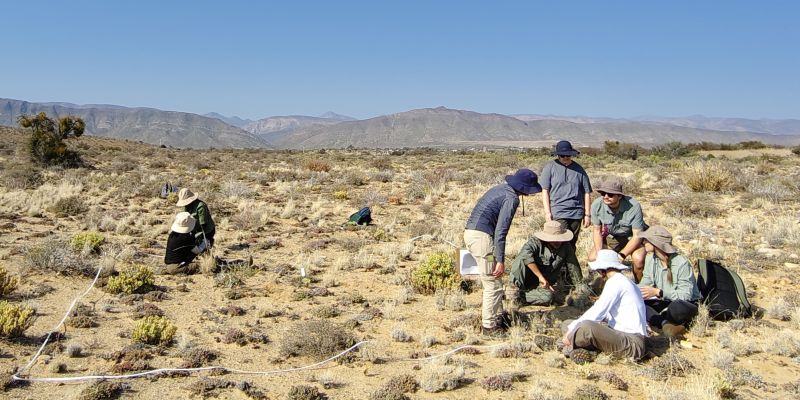
The Arid Lands Node hosted postgraduate students and lecturers on a field excursion to Tierberg-LTER and Wolwekraal Nature Reserve. These SAEON research platforms provided the ideal location to demonstrate different field methodologies.
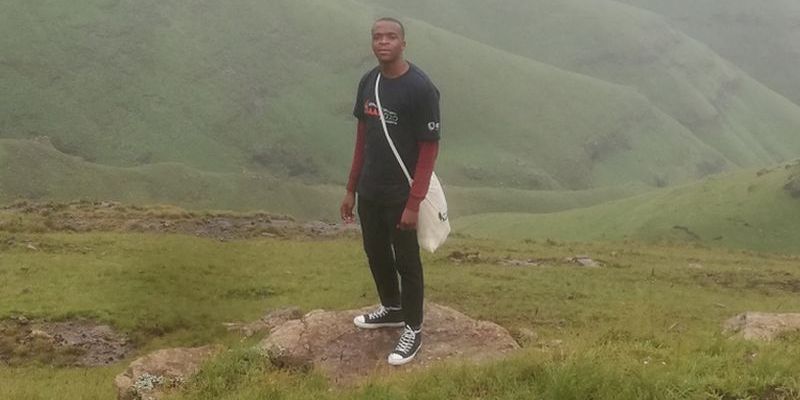
Tsumbedzo Ramalevha describes his internship at the Ndlovu Node as a launchpad for his career: “It was where the theoretical knowledge from my studies was grounded in the real-world application of science.”
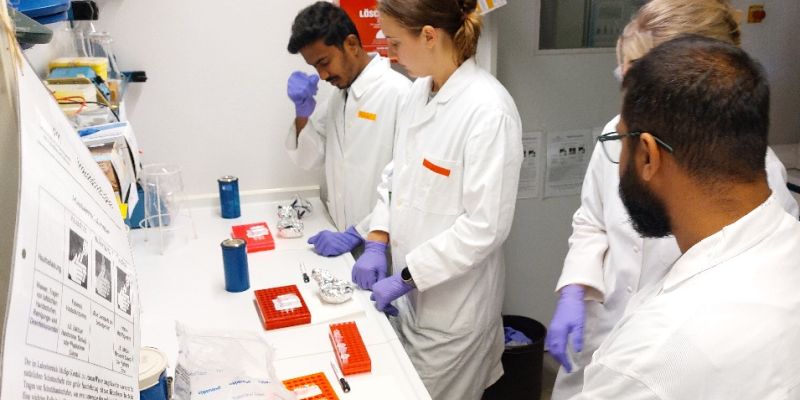
MSc student Lanja Oosthuizen set off on an academic journey of a different kind as one of eight international students selected to attend the Applied Seed Physiology summer school in Germany.
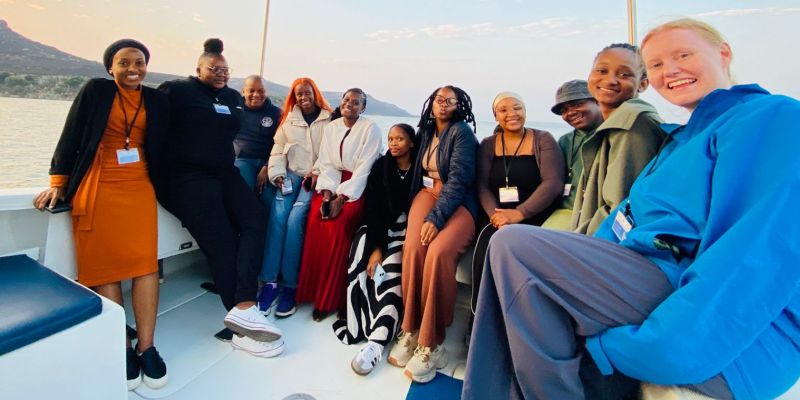
Centred on the theme “From Data to Action: Science for a Sustainable Future”, the 17th Indibano challenged delegates to consider how their work can drive real-world impact.
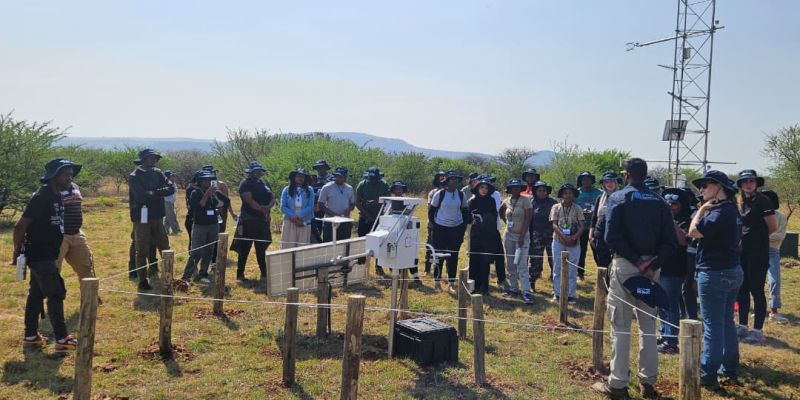
The field excursion, hosted by EFTEON’s Northern Drakensberg Landscape and SAEON’s Grasslands Node, offered hands-on exposure to environmental monitoring platforms.
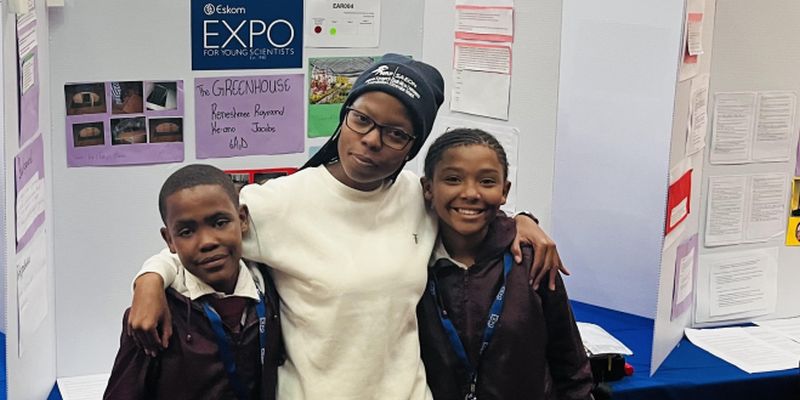
EFTEON staff set out to ensure that learners were exposed to environmental research tools and instrumentation, preparing the next generation for higher education and careers.
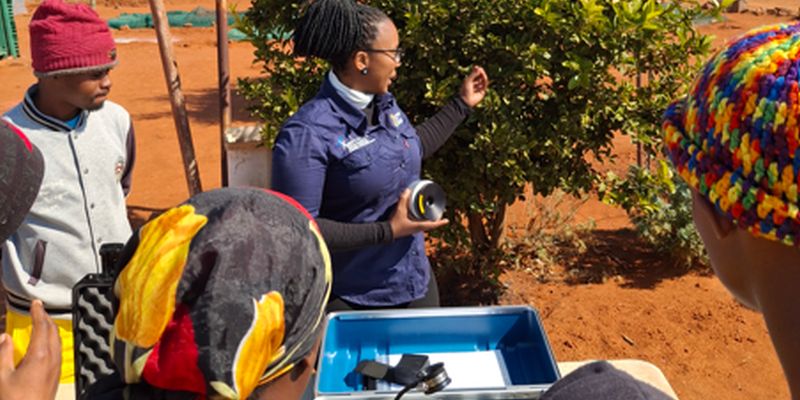
The challenge was to join forces in bringing transdisciplinary approaches to tackling the substantial global challenges faced by the agricultural sector.
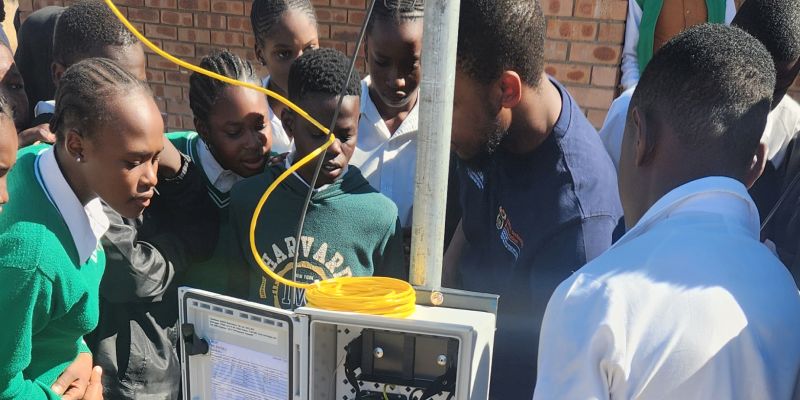
As part of National Science Week, EFTEON Lowveld and NRF-SAEON’s Ndlovu Node led demonstrations to grade 9 and 10 classes at several schools in northeast South Africa.
SAEON’s people and projects received coverage in national print, online and social media.
Banner photograph © Shutterstock/Johan Swanepoel
