eNews

#04 2025

Towards locally relevant, globally competitive environmental science

By Prof Tommy Bornman, Manager: SAEON Elwandle Node & SMCRI
It is my great pleasure to open this edition of the SAEON e-Newsletter with wonderful news from our leadership. Please join me in congratulating our Managing Director, Dr Mary-Jane Bopape, on the arrival of her beautiful baby boy. We share in her joy and wish her and her family every happiness during this special time.

This edition is filled with exciting stories that showcase SAEON’s scientific excellence and impact:

  • Celebrating achievements: We congratulate Dr Riesna Audh, recipient of the prestigious IAPSO Eugene La Fond Medal for her outstanding presentation at the BACO-25 Symposium. We also celebrate South Africa’s global recognition in agricultural water management, with the national delegation winning honours across six award categories at the 4th World Irrigation Forum (WIF4). Among them, Dr Zanele Ntshidi, manager of SAEON’s Arid Lands Node, contributed to the development of a decision support system for irrigation scheduling, earning a Wastage Award for Innovative Water Management. This achievement underscores our commitment to science that is both locally relevant and globally competitive.

Dr Riesna Audh, SAPRI Polar Lab research coordinator, received the prestigious IAPSO Eugene La Fond Medal for her outstanding presentation at the BACO-25 Symposium in the Republic of Korea. (Photo: UCT)

Dr Zanele Ntshidi, manager of SAEON’s Arid Lands Node, contributed to the development of a decision support system for irrigation scheduling that earned her a Wastage Award for Innovative Water Management.
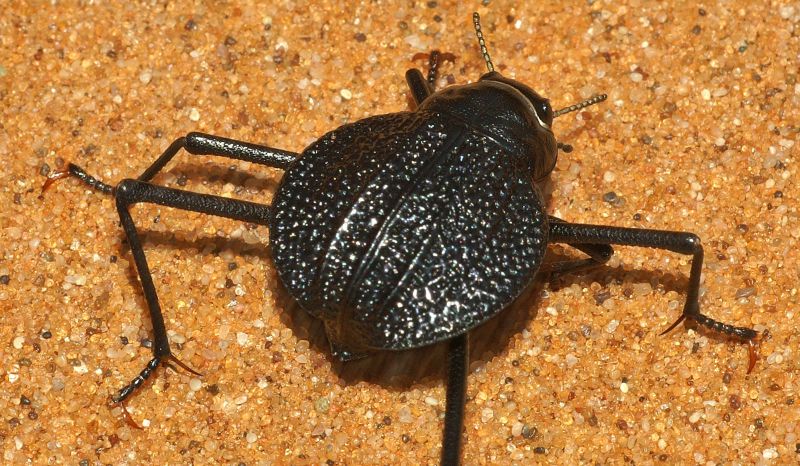
  • Groundbreaking science: Learn about the first reported case of exercise-induced cooling in a pedestrian animal, the Namib beetle, published in the Journal of Experimental Biology. In addition, the Elwandle Node shares new insights into greenhouse gas fluxes from South Africa’s blue carbon ecosystems, showing that while these habitats store considerable carbon, they may also be net emitters of greenhouse gases.
  • Global presence and collaboration: SAEON scientists and students have been actively contributing to training, workshops and conferences around the world, including Ecoforecast Africa, SEAmester VIII, the BACO-25 Symposium, the COSS-TT Conference in France, FLUXNET 2025 in Australia and many more. These engagements highlight SAEON’s role in advancing global scientific collaboration and knowledge-sharing.
  • Capacity development: Our science engagement teams continue to inspire the next generation of scientists through camps, workshops and outreach activities, from Grade 9 and 10 science camps in Mokala and St Lucia to National Science Week activities on the West Coast.

The first reported case of exercise-induced cooling in a pedestrian animal, the Namib beetle, was published in the Journal of Experimental Biology.
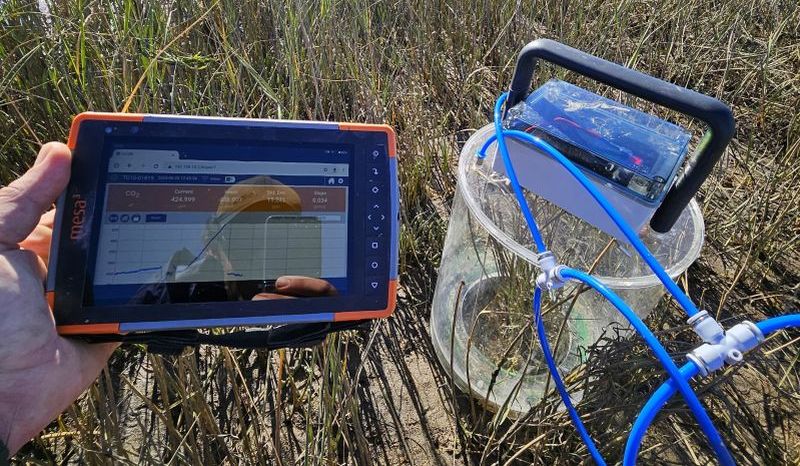
The Elwandle Node shares new insights into greenhouse gas fluxes from South Africa’s blue carbon ecosystems, showing that while these habitats store considerable carbon, they may be net emitters of greenhouse gases.

This issue captures the energy, innovation and collaborative spirit that defines SAEON. I invite you to read on and celebrate with us the many ways in which our network is making a difference, both in South Africa and across the globe.